
Introduction
Outdoor spaces have become an essential part of modern homes and properties. Whether it is a small balcony, a cozy backyard, a spacious garden, or a stylish patio, a well-designed outdoor area can significantly improve both the appearance and functionality of a property. People are increasingly looking for ways to extend their living spaces beyond the walls of their homes, creating environments where they can relax, entertain guests, enjoy nature, and spend quality time with family.
A thoughtfully planned outdoor space can transform an ordinary property into a welcoming retreat. It offers a perfect balance between comfort and nature while providing opportunities for recreation, gardening, dining, and relaxation. Outdoor areas are no longer viewed as unused sections of a property; instead, they are becoming valuable extensions of indoor living spaces.
For beginners, designing an outdoor space may seem challenging at first. There are many factors to consider, including layout, furniture, landscaping, lighting, and maintenance requirements. However, with the right planning and a clear understanding of the basics, anyone can create an attractive and practical outdoor area that suits their lifestyle and budget.
This comprehensive guide explains everything beginners need to know about outdoor spaces, including their importance, planning process, benefits, risks, common mistakes, expert tips, and frequently asked questions.
What is Outdoor Spaces?
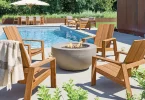
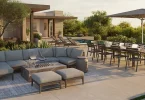
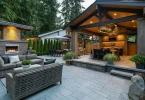
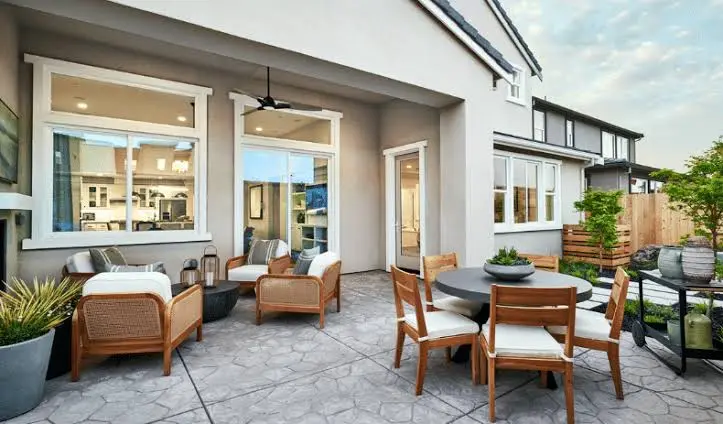
Outdoor spaces refer to areas outside a building that are intentionally designed, organized, and used for various activities. These spaces can include gardens, patios, decks, terraces, balconies, courtyards, lawns, pergolas, outdoor kitchens, and recreational zones. They serve as extensions of indoor living areas while providing access to fresh air and natural surroundings.
The concept of outdoor spaces goes beyond simple landscaping. It involves creating environments that combine functionality, comfort, and aesthetics. A well-designed outdoor space allows people to relax, entertain guests, enjoy meals, exercise, garden, or simply connect with nature. The design can be customized according to available space, climate conditions, personal preferences, and intended use.
Why is Outdoor Spaces Important?
Outdoor spaces play a significant role in improving the quality of life. In today’s fast-paced world, people often seek peaceful environments where they can unwind and escape from daily stress. Outdoor areas provide a natural setting that promotes relaxation and mental well-being while encouraging more time spent outdoors.
In addition to enhancing personal comfort, outdoor spaces also increase property value and curb appeal. Buyers are often attracted to homes with attractive outdoor features because they offer additional living and entertainment areas. Well-maintained outdoor spaces can make a property more appealing and functional while creating a positive first impression.
Detailed Step-by-Step Guide
Step 1: Define the Purpose of the Space
Before starting any design project, determine how the outdoor area will be used. Some homeowners may want a relaxation zone, while others may need a dining area, garden, play space, or entertainment area.
Understanding the primary purpose helps guide decisions regarding layout, furniture, landscaping, and accessories. Clearly defining goals ensures that the final design meets practical needs and personal preferences.
Step 2: Evaluate Available Space
Measure the dimensions of the outdoor area and assess existing features such as trees, pathways, walls, fences, and drainage systems.
A detailed assessment helps identify opportunities and limitations. Small spaces may require compact furniture and vertical gardening solutions, while larger areas can accommodate multiple functional zones.
Step 3: Establish a Budget
Creating a budget prevents overspending and helps prioritize essential features. Consider costs for landscaping, furniture, lighting, plants, paving materials, and decorative elements.
Having a realistic budget allows homeowners to focus on high-impact improvements while planning future upgrades if necessary.
Step 4: Create a Layout Plan
Sketch a basic layout showing where different features will be located. Divide the area into specific zones for dining, relaxation, gardening, or recreation.
A structured layout improves traffic flow and ensures efficient use of available space. Planning beforehand reduces costly mistakes and unnecessary changes later.
Step 5: Select Suitable Flooring
The flooring material significantly impacts the appearance and functionality of outdoor spaces. Common options include natural stone, concrete, wood decking, pavers, gravel, and tiles.
Choose materials based on durability, maintenance requirements, climate conditions, and design preferences. The flooring should complement the overall style of the property.
Step 6: Choose Comfortable Furniture
Outdoor furniture should be durable, weather-resistant, and comfortable. Popular materials include aluminum, teak, wicker, steel, and synthetic resin.
Select seating arrangements that match the intended use of the space. Cushions, benches, lounge chairs, and dining sets can enhance comfort and usability.
Step 7: Add Landscaping Elements
Landscaping introduces natural beauty and character into outdoor spaces. Trees, shrubs, flowers, ornamental grasses, and ground covers create visual interest and improve environmental quality.
Choose plants suitable for local climate conditions and maintenance preferences. Combining different plant heights, colors, and textures creates a balanced and attractive landscape.
Step 8: Install Outdoor Lighting
Proper lighting improves safety, functionality, and ambiance. Lighting options include pathway lights, wall-mounted fixtures, string lights, spotlights, and solar-powered lamps.
Strategic lighting highlights architectural features, improves visibility at night, and creates a welcoming atmosphere for evening gatherings.
Step 9: Include Shade Solutions
Protection from direct sunlight is essential for outdoor comfort. Shade structures such as pergolas, umbrellas, awnings, and gazebos help create cooler environments.
Effective shade solutions extend the usability of outdoor spaces during hot weather while protecting furniture and decorative elements from excessive sun exposure.
Step 10: Add Decorative Features
Decorative elements personalize outdoor spaces and enhance their visual appeal. Examples include water fountains, fire pits, sculptures, outdoor rugs, planters, and decorative lighting.
These additions help create a unique atmosphere that reflects individual style while making the space more inviting and enjoyable.
Step 11: Focus on Maintenance
Every outdoor space requires regular maintenance to preserve its appearance and functionality. Tasks may include watering plants, trimming shrubs, cleaning furniture, and inspecting structures.
Developing a maintenance routine helps prevent deterioration and ensures the outdoor area remains attractive throughout the year.
Benefits of Outdoor Spaces
- Enhances property value and market appeal
- Creates additional living and entertainment areas
- Promotes relaxation and stress reduction
- Encourages outdoor activities and exercise
- Improves mental health and emotional well-being
- Provides opportunities for gardening and hobbies
- Enhances visual appeal of the property
- Supports family gatherings and social events
- Increases exposure to fresh air and natural light
- Improves overall quality of life
- Creates a connection with nature
- Offers flexible spaces for multiple activities
- Can improve environmental sustainability
- Encourages healthier lifestyles
- Adds character and uniqueness to a property
Disadvantages / Risks
- Initial construction and design costs can be high
- Regular maintenance is required
- Weather conditions may limit usability
- Poor planning can lead to wasted space
- Certain materials may deteriorate over time
- Pest and insect problems may occur
- Water features may require ongoing maintenance
- Landscaping expenses can increase over time
- Outdoor furniture may need replacement due to wear
- Improper drainage can cause water damage
- Security concerns may arise in exposed areas
- Seasonal changes can affect plant health
Common Mistakes to Avoid
One of the most common mistakes is designing an outdoor space without a clear purpose. Homeowners often purchase furniture and decorations before deciding how the area will be used. This can result in cluttered spaces that lack functionality and comfort.
Another mistake is ignoring maintenance requirements. Selecting high-maintenance plants, materials, or features without considering long-term care can lead to frustration and increased costs. Beginners should prioritize practical solutions that fit their available time and resources.
Poor lighting design is another frequent issue. Insufficient lighting reduces safety and limits nighttime use. Similarly, failing to provide adequate shade can make outdoor spaces uncomfortable during warm seasons. Careful planning helps avoid these problems while ensuring the space remains enjoyable throughout the year.
Many homeowners also overlook scale and proportion. Oversized furniture in small spaces can create a cramped appearance, while undersized elements may seem disconnected in larger areas. Choosing appropriately sized features creates a balanced and harmonious design.
FAQs
1. What are the most popular types of outdoor spaces?
Popular outdoor spaces include patios, decks, gardens, balconies, terraces, courtyards, pergolas, outdoor kitchens, and backyard entertainment areas. The best choice depends on available space and intended use.
2. How much does it cost to create an outdoor space?
Costs vary significantly based on size, materials, landscaping, and features. A simple outdoor setup may cost a few hundred dollars, while large custom-designed projects can require several thousand dollars.
3. Which plants are best for beginners?
Low-maintenance plants such as lavender, marigolds, succulents, hostas, ornamental grasses, and native species are excellent choices for beginners. These plants generally require less care and adapt well to different environments.
4. How can I make a small outdoor space look bigger?
Use multifunctional furniture, vertical gardens, mirrors, light-colored materials, and strategic lighting. Minimizing clutter and maintaining open pathways can also create the illusion of a larger space.
5. How often should outdoor spaces be maintained?
Maintenance frequency depends on the features included. Most outdoor areas benefit from weekly cleaning, seasonal landscaping tasks, and regular inspections of furniture, lighting, and structural elements.
6. What is the best flooring for outdoor spaces?
The best flooring depends on budget, climate, and style preferences. Popular choices include natural stone, pavers, composite decking, concrete, and outdoor tiles due to their durability and versatility.
7. How can outdoor spaces increase property value?
Attractive and functional outdoor spaces enhance curb appeal, provide additional usable living areas, and make properties more appealing to potential buyers. This can contribute to higher resale values.
8. Are outdoor kitchens worth the investment?
Outdoor kitchens can be valuable additions for homeowners who enjoy entertaining and cooking outdoors. They improve functionality and may increase the overall appeal of the property.
Expert Tips & Bonus Points
Start with a simple design and expand gradually as needs and budget allow. This approach reduces stress and allows for thoughtful improvements over time.
Choose materials that can withstand local weather conditions. Durability is often more important than appearance alone, especially in areas with extreme temperatures or heavy rainfall.
Incorporate a mix of hardscape and softscape elements. Combining structural features with natural landscaping creates a balanced and visually appealing environment.
Use layered lighting techniques to improve both functionality and ambiance. Combining task lighting, accent lighting, and decorative fixtures creates a more versatile outdoor space.
Invest in quality furniture and materials whenever possible. Although the initial cost may be higher, durable products often provide better long-term value and require fewer replacements.
Consider sustainability by using native plants, water-efficient irrigation systems, solar lighting, and environmentally friendly materials. Sustainable choices can reduce maintenance costs while benefiting the environment.
Conclusion
Outdoor spaces have evolved into essential extensions of modern homes, offering opportunities for relaxation, entertainment, recreation, and connection with nature. Whether large or small, a thoughtfully designed outdoor area can significantly improve both the functionality and appearance of a property. By carefully planning the layout, selecting appropriate materials, incorporating landscaping, and maintaining the space regularly, homeowners can create environments that provide lasting value and enjoyment.
For beginners, the process becomes much easier when approached step by step. Understanding the purpose of the space, establishing a realistic budget, choosing durable materials, and focusing on comfort are key factors that contribute to successful outdoor design. Even simple improvements such as adding seating, plants, lighting, and decorative elements can dramatically transform an ordinary area into an inviting retreat.
While outdoor spaces require investment and ongoing maintenance, the benefits often outweigh the challenges. They enhance property value, improve well-being, encourage outdoor activities, and create memorable experiences for family and friends. With proper planning and attention to detail, anyone can develop an outdoor space that reflects their personality, supports their lifestyle, and serves as a beautiful extension of their home for years to come.