
Introduction
A well-decorated garden is more than just an outdoor area filled with plants. It is a personal retreat where people can relax, entertain guests, enjoy nature, and spend quality time with family. Garden decor plays a vital role in transforming ordinary outdoor spaces into attractive and functional environments that reflect personal style and creativity.
Whether you have a small backyard, a spacious lawn, a balcony garden, or a courtyard, thoughtful decoration can significantly improve the appearance and usability of the space. From decorative planters and garden lighting to water features and outdoor furniture, there are countless ways to enhance a garden without spending a fortune.
For beginners, garden decor may seem overwhelming because of the many design options available. However, understanding a few basic principles can help create a harmonious and visually appealing outdoor area. The key is to combine functionality, aesthetics, and nature in a balanced way.
This comprehensive guide covers everything you need to know about garden decor, including its importance, benefits, step-by-step decorating process, common mistakes to avoid, expert tips, and frequently asked questions. By the end, you will have the knowledge and confidence to transform any outdoor space into a beautiful garden sanctuary.
What is Garden Decor?
Garden decor refers to the decorative elements, accessories, furnishings, and design features used to enhance the visual appeal and functionality of outdoor garden spaces. It includes everything from planters, pathways, and lighting fixtures to sculptures, fountains, seating areas, and decorative ornaments.
The purpose of garden decor is not only to beautify an outdoor space but also to create a comfortable and inviting environment. Effective garden decoration combines natural elements such as flowers, shrubs, and trees with carefully selected decorative features that complement the overall design theme.
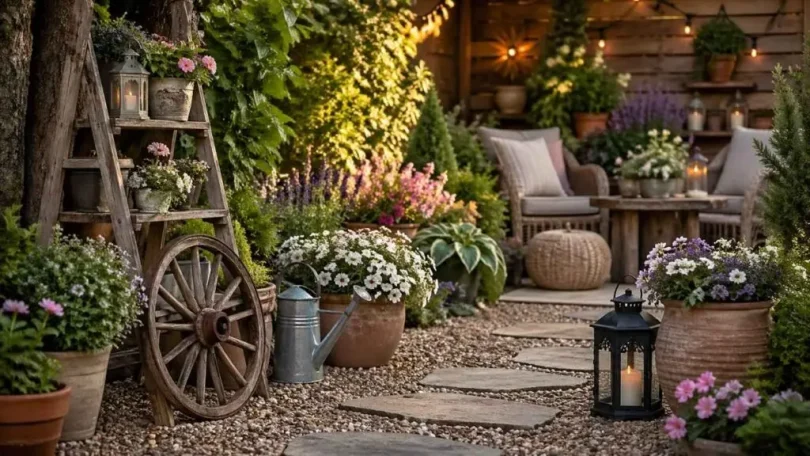
Garden decor can range from simple and minimalist designs to elaborate landscaping projects. Some homeowners prefer rustic garden styles featuring wooden accents and natural stone, while others choose modern designs with sleek furniture and contemporary decorative pieces. Regardless of style, successful garden decor creates balance, harmony, and a pleasant atmosphere.
When planned correctly, garden decor can make small spaces appear larger, improve property value, and provide a relaxing escape from daily stress. It is an excellent way to express creativity while enhancing the beauty of outdoor living spaces.
Why is Garden Decor Important?
Garden decor is important because it transforms outdoor spaces into functional and aesthetically pleasing environments. A thoughtfully decorated garden creates a welcoming atmosphere where family members and guests can relax, socialize, and enjoy nature.
Decorative elements help define different zones within a garden. Seating areas, pathways, lighting, and focal points create structure and organization, making the space more practical and visually appealing. Proper decor also highlights the beauty of plants and landscaping features.
Another reason garden decor is important is its positive impact on mental well-being. Spending time in an attractive outdoor environment can reduce stress, improve mood, and encourage relaxation. Gardens decorated with comfortable seating, soothing water features, and natural elements often become favorite spots for meditation and leisure.
Additionally, a well-designed garden can increase property value. Potential buyers are often attracted to homes with beautiful outdoor spaces, making garden decor a worthwhile investment for homeowners seeking both enjoyment and long-term benefits.
Step-by-Step Guide to Garden Decor
Step 1: Assess Your Garden Space
Before purchasing decorative items, carefully evaluate your garden area. Measure the available space and identify existing features such as plants, trees, pathways, fences, and structures.
Understanding the layout helps determine what decorations will fit comfortably without overcrowding the space. Consider sunlight exposure, drainage conditions, and intended usage when planning your design.
Step 2: Choose a Garden Theme
Selecting a theme creates consistency throughout the garden. Popular themes include modern, rustic, tropical, cottage, Mediterranean, Zen, and minimalist designs.
A clear theme guides decisions regarding furniture, lighting, ornaments, colors, and plant selection. Consistency helps create a cohesive and visually pleasing environment.
Step 3: Create a Focal Point
Every attractive garden benefits from a focal point that draws attention and creates visual interest. Common focal points include fountains, statues, large planters, pergolas, fire pits, or unique plant arrangements.
The focal point should complement the overall design while standing out enough to capture attention. Position it where it can be easily viewed from multiple angles.
Step 4: Add Decorative Planters
Decorative planters are among the easiest ways to enhance garden aesthetics. They come in various materials, colors, sizes, and styles to match different themes.
Use planters to showcase flowers, herbs, shrubs, or ornamental plants. Grouping containers of varying heights can add depth and dimension to the garden.
Step 5: Install Garden Lighting
Lighting extends garden usability into the evening while adding beauty and safety. Solar lights, pathway lights, string lights, lanterns, and spotlights are popular options.
Strategic lighting highlights important features, illuminates walkways, and creates a warm, inviting atmosphere after sunset.
Step 6: Incorporate Outdoor Furniture
Comfortable outdoor furniture enhances functionality and encourages relaxation. Consider benches, chairs, dining sets, swings, or lounge seating based on available space.
Choose weather-resistant materials such as teak, aluminum, resin, or treated wood for long-lasting durability.
Step 7: Design Attractive Pathways
Pathways improve navigation while contributing to the garden’s overall appearance. Materials such as gravel, brick, stone, and pavers can create visually appealing walkways.
Curved pathways often appear more natural and inviting than straight designs. Ensure paths are wide enough for comfortable movement.
Step 8: Add Water Features
Water features introduce movement, sound, and tranquility to garden environments. Options include fountains, ponds, waterfalls, birdbaths, and small streams.
Even a simple water feature can create a peaceful atmosphere while attracting birds and beneficial wildlife.
Step 9: Include Decorative Garden Art
Garden art adds personality and uniqueness to outdoor spaces. Popular choices include sculptures, wind chimes, metal artwork, decorative stakes, and handcrafted ornaments.
Avoid overcrowding the garden with too many decorative pieces. Select a few meaningful items that complement the overall design.
Step 10: Maintain and Refresh Regularly
Garden decor requires ongoing maintenance to preserve its beauty. Clean decorative items, repair damaged features, replace worn furniture cushions, and refresh seasonal plants.
Regular maintenance keeps the garden attractive throughout the year and ensures decorative elements remain in excellent condition.
Benefits of Garden Decor
Garden decor offers numerous advantages for homeowners and gardening enthusiasts:
- Enhances overall garden appearance
- Creates a relaxing outdoor environment
- Improves property value
- Encourages outdoor living and entertainment
- Adds personality and character to spaces
- Helps define functional garden zones
- Increases curb appeal
- Supports mental well-being and stress reduction
- Provides opportunities for creative expression
- Makes small spaces feel more attractive and organized
- Enhances evening ambiance through lighting
- Attracts birds and beneficial wildlife
- Creates memorable outdoor experiences
- Improves comfort and usability
- Allows customization based on personal preferences
Disadvantages / Risks
Although garden decor offers many benefits, there are some potential drawbacks:
- Initial costs can be high
- Decorative items may require regular maintenance
- Weather conditions can damage outdoor decor
- Poor design choices can create clutter
- Water features may increase maintenance requirements
- Furniture may fade or deteriorate over time
- Excessive decor can overwhelm small spaces
- Certain materials may require seasonal protection
- Pest issues can arise around some decorative features
- Improper lighting installation can increase energy costs
Common Mistakes to Avoid
One of the most common mistakes beginners make is overcrowding the garden with too many decorative items. While accessories can enhance beauty, excessive decoration often creates visual clutter and reduces the natural charm of the garden. It is better to choose a few high-quality pieces that complement the overall design rather than filling every available space.
Another mistake is ignoring scale and proportion. Large ornaments can overwhelm small gardens, while tiny decorations may appear insignificant in spacious landscapes. Selecting appropriately sized decor ensures visual balance and harmony.
Many homeowners also neglect lighting design. Poorly placed lighting can create uneven illumination and fail to highlight important garden features. Proper planning improves both aesthetics and functionality.
Failing to consider maintenance requirements is another common issue. Some decorative elements require frequent cleaning, repairs, or seasonal care. Choosing low-maintenance options can save time and effort in the long run.
Finally, many people overlook the importance of a cohesive theme. Mixing too many styles, colors, and materials can create a disorganized appearance. Maintaining consistency throughout the garden results in a more attractive and professional-looking design.
FAQs
1. What is the easiest way to decorate a garden?
The easiest way to decorate a garden is by adding decorative planters, colorful flowers, solar lighting, and comfortable seating. These simple improvements can significantly enhance the appearance of outdoor spaces.
2. How much does garden decor typically cost?
The cost varies depending on the size of the garden and the chosen decorations. Small projects may cost a few hundred dollars, while extensive landscaping and decorative installations can require larger investments.
3. What type of garden decor is best for small spaces?
For small gardens, consider vertical planters, wall-mounted decorations, compact furniture, mirrors, and strategically placed lighting. These elements maximize visual impact without occupying excessive space.
4. How can I make my garden look expensive on a budget?
Use coordinated planters, install solar lights, create defined pathways, maintain healthy plants, and focus on a few attractive focal points. Thoughtful design often looks more expensive than costly decorations.
5. Are water features difficult to maintain?
Maintenance depends on the type of water feature. Small fountains generally require minimal care, while ponds and waterfalls may need more frequent cleaning and upkeep.
6. Which materials are best for outdoor garden decor?
Weather-resistant materials such as stone, metal, resin, concrete, treated wood, and high-quality plastic perform well outdoors and typically offer excellent durability.
7. How often should garden decor be updated?
Minor updates can be made seasonally, while major redesigns are usually needed every few years. Regular maintenance helps decorative features remain attractive for longer periods.
8. Can garden decor increase property value?
Yes, attractive landscaping and garden decor can improve curb appeal and make properties more appealing to potential buyers, often contributing to increased market value.
Expert Tips & Bonus Points
Start with a clear plan before purchasing decorative items. Creating a layout helps avoid unnecessary expenses and ensures design consistency throughout the garden.
Use odd-numbered groupings of plants and decorative objects. Groups of three or five often appear more natural and visually appealing than symmetrical arrangements.
Layer different heights within the garden to create depth and dimension. Combining ground covers, medium-height plants, and taller focal elements results in a more dynamic landscape.
Invest in quality lighting because it dramatically affects the atmosphere after dark. Warm lighting creates a cozy environment that encourages relaxation and outdoor gatherings.
Incorporate seasonal decor changes to keep the garden fresh and interesting throughout the year. Rotating plants, flowers, and decorative accents can provide ongoing visual variety.
Choose decorations that reflect your personality and lifestyle. Personalized gardens often feel more welcoming and enjoyable than spaces designed solely to follow trends.
Use native plants whenever possible. They generally require less maintenance and thrive more successfully in local climate conditions.
Balance decorative elements with open space. Empty areas are just as important as decorated sections because they prevent the garden from feeling crowded.
Conclusion
Garden decor is a powerful way to transform ordinary outdoor spaces into beautiful, comfortable, and functional environments. Whether you have a small balcony garden or a large backyard landscape, thoughtful decoration can dramatically improve the overall appearance and usability of the area. By combining decorative elements with natural beauty, homeowners can create outdoor retreats that encourage relaxation, social interaction, and personal enjoyment.
For beginners, the process becomes much easier when approached step by step. Assessing the space, selecting a theme, creating focal points, adding lighting, incorporating furniture, and maintaining the garden regularly are all essential components of successful garden design. Even small decorative improvements can produce impressive results when planned carefully.
While there are costs and maintenance responsibilities associated with garden decor, the benefits often outweigh the challenges. Enhanced curb appeal, increased property value, improved mental well-being, and a more enjoyable outdoor lifestyle make garden decoration a worthwhile investment.
By avoiding common mistakes and applying expert recommendations, anyone can create a stunning garden that reflects their personal style and provides lasting enjoyment. With creativity, planning, and consistent care, your garden can become one of the most attractive and relaxing spaces in your home.