
Introduction
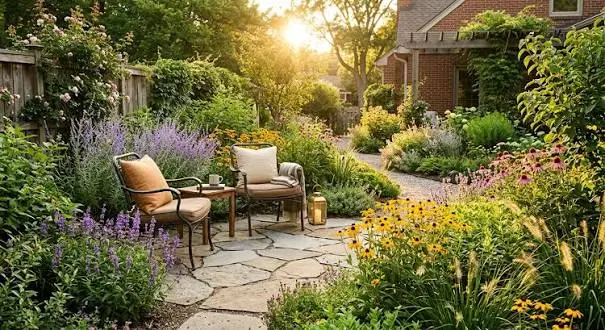
Backyard landscaping is one of the most effective ways to transform an ordinary outdoor area into a beautiful, functional, and relaxing space. Whether you have a small backyard, a large garden, or an unused outdoor area, landscaping can significantly improve the appearance and value of your property. A thoughtfully designed backyard creates an inviting environment where family and friends can gather, children can play, and homeowners can enjoy nature without leaving home.
Many beginners assume that landscaping requires professional expertise or a large budget. In reality, successful backyard landscaping starts with proper planning, simple design principles, and a clear understanding of your goals. From planting flowers and trees to installing pathways, patios, water features, and outdoor lighting, every landscaping element contributes to the overall beauty and functionality of the space.
A well-landscaped backyard can serve multiple purposes. It can become a peaceful retreat, an entertainment area, a gardening space, or even an extension of your indoor living environment. Additionally, strategic landscaping can improve drainage, reduce soil erosion, increase privacy, and support local wildlife.
This comprehensive guide will help beginners understand the fundamentals of backyard landscaping, explain its importance, provide a step-by-step process, highlight benefits and risks, discuss common mistakes, answer frequently asked questions, and share expert tips for achieving impressive results.
What is Backyard Landscaping?
Backyard landscaping is the process of designing, organizing, and enhancing an outdoor space to improve its appearance, functionality, and overall value. It involves the careful arrangement of plants, trees, shrubs, lawns, pathways, patios, decorative elements, and outdoor structures to create a visually appealing environment.
Landscaping combines both natural and man-made features to achieve specific goals. Some homeowners focus on creating beautiful gardens, while others prioritize outdoor entertainment areas, privacy, sustainability, or low-maintenance designs. Regardless of the objective, effective backyard landscaping balances aesthetics with practicality to create a harmonious outdoor living space.
Why is Backyard Landscaping Important?
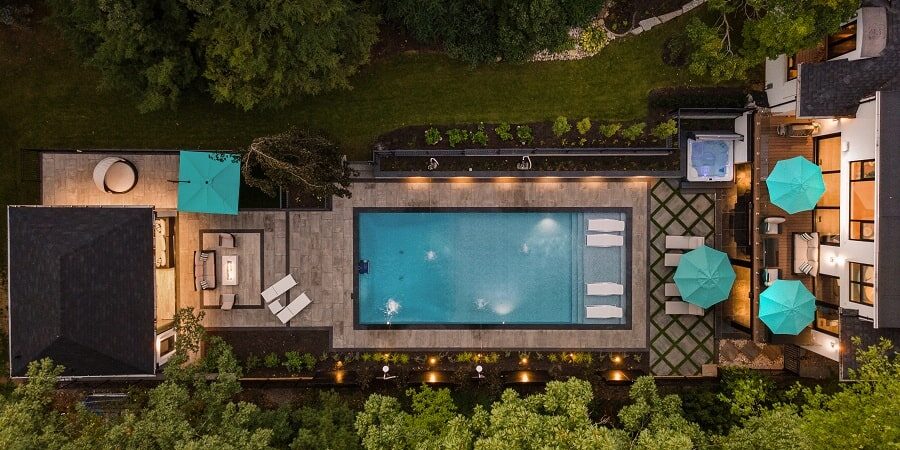
Backyard landscaping plays a vital role in improving the overall quality of a property. A well-designed backyard creates an attractive outdoor environment that enhances daily living and increases enjoyment of the home. It provides opportunities for relaxation, recreation, gardening, and social gatherings while connecting homeowners with nature.
Beyond visual appeal, landscaping can also increase property value and improve environmental sustainability. Proper plant selection can reduce energy costs by providing shade, while healthy vegetation improves air quality and supports local ecosystems. Landscaping also helps manage water runoff, prevent erosion, and create a healthier outdoor environment.
Step-by-Step Guide to Backyard Landscaping
Step 1: Evaluate Your Backyard Space
Before beginning any landscaping project, carefully assess your backyard. Measure the available space and identify existing features such as trees, fences, slopes, drainage areas, and utility lines. Understanding the current conditions helps determine what improvements are realistic and effective.
Observe how sunlight moves across the yard throughout the day. Some plants require full sun, while others thrive in partial shade. Also consider wind patterns, soil quality, and areas where water tends to collect after rainfall.
Step 2: Define Your Landscaping Goals
Determine how you want to use your backyard. Some homeowners prioritize outdoor entertaining, while others prefer gardening, children’s play areas, or peaceful relaxation spaces. Defining clear goals helps guide design decisions and prevents unnecessary expenses.
Create a list of desired features such as flower beds, patios, decks, fire pits, water features, vegetable gardens, or outdoor kitchens. Prioritize the features that best align with your lifestyle and budget.
Step 3: Create a Landscaping Plan
Sketch a basic layout of your backyard. Include existing structures and identify where new landscaping elements will be placed. Planning helps visualize the final design and ensures that different components work together effectively.
Consider traffic flow throughout the yard. Pathways should connect key areas naturally while maintaining open space. Leave room for future growth of trees and shrubs to avoid overcrowding.
Step 4: Set a Budget
Establishing a realistic budget helps control costs and keeps the project manageable. Landscaping expenses may include plants, soil amendments, mulch, hardscaping materials, lighting, irrigation systems, furniture, and labor if professional assistance is required.
Divide your budget among major project categories and allow additional funds for unexpected expenses. Starting with essential improvements and expanding gradually is often the most practical approach for beginners.
Step 5: Improve Soil Quality
Healthy soil is the foundation of successful landscaping. Conduct a soil test to determine pH levels and nutrient content. Soil quality directly affects plant growth, water retention, and overall landscape health.
Add compost, organic matter, and soil amendments as needed. Improving soil structure promotes stronger root development and reduces future maintenance requirements.
Step 6: Choose Suitable Plants
Select plants that are appropriate for your climate, soil conditions, and sunlight availability. Native plants are often excellent choices because they adapt well to local conditions and require less maintenance.
Mix different plant types to create visual interest throughout the year. Include trees, shrubs, flowering plants, ornamental grasses, and ground covers to achieve variety in color, texture, and height.
Step 7: Design Functional Areas
Divide your backyard into functional zones based on intended use. Common zones include dining areas, gardening spaces, play areas, and relaxation zones. Clearly defined spaces improve organization and usability.
Use landscaping features such as hedges, pathways, pergolas, or decorative borders to separate different areas while maintaining visual continuity throughout the yard.
Step 8: Install Hardscaping Features
Hardscaping refers to non-living landscape elements such as patios, retaining walls, pathways, decks, and stone features. These structures provide functionality and create a framework for the overall landscape design.
Choose durable materials that complement your home’s architecture. Proper installation ensures longevity and reduces future maintenance costs.
Step 9: Add Outdoor Lighting
Outdoor lighting enhances safety, security, and aesthetics. Strategic lighting highlights landscape features while improving visibility along pathways and entrances.
Consider using energy-efficient LED fixtures and solar-powered lights. Layered lighting creates depth and atmosphere during evening hours.
Step 10: Install an Irrigation System
Efficient watering is essential for maintaining a healthy landscape. Irrigation systems simplify maintenance and ensure plants receive adequate moisture.
Drip irrigation systems are particularly effective because they deliver water directly to plant roots while minimizing waste. Automated systems further improve convenience and consistency.
Step 11: Apply Mulch
Mulch helps conserve moisture, suppress weeds, regulate soil temperature, and improve appearance. Organic mulches such as bark, wood chips, and compost gradually enrich the soil as they decompose.
Apply mulch around trees, shrubs, and flower beds while avoiding direct contact with plant stems to prevent disease and rot.
Step 12: Maintain Your Landscape
Ongoing maintenance is necessary to preserve the beauty and health of your backyard. Regular tasks include watering, pruning, fertilizing, mowing, weed control, and seasonal cleanups.
Create a maintenance schedule to stay organized and address issues before they become major problems. Consistent care protects your investment and keeps the landscape looking attractive year-round.
Benefits of Backyard Landscaping
Backyard landscaping offers numerous advantages for homeowners and their properties:
- Improves curb appeal and overall property appearance
- Increases property value
- Creates functional outdoor living spaces
- Enhances relaxation and mental well-being
- Provides opportunities for outdoor recreation
- Improves air quality through vegetation
- Supports local wildlife and pollinators
- Helps reduce soil erosion
- Improves drainage and water management
- Increases privacy through strategic plantings
- Reduces outdoor noise levels
- Creates shade and lowers cooling costs
- Enhances environmental sustainability
- Encourages outdoor family activities
- Provides opportunities for gardening and food production
Disadvantages / Risks
While landscaping offers many benefits, it also involves certain challenges:
- Initial installation costs can be significant
- Ongoing maintenance requires time and effort
- Improper plant selection can lead to failures
- Poor drainage design may cause water issues
- Some plants attract unwanted pests
- Overgrown vegetation can become difficult to manage
- Landscaping mistakes can be costly to correct
- Irrigation systems may increase water usage
- Extreme weather can damage plants and structures
- Large projects may require professional assistance
- Certain materials may require periodic replacement
- Neglected landscapes can quickly lose their appeal
Common Mistakes to Avoid
One of the most common landscaping mistakes is failing to create a comprehensive plan before beginning the project. Without a clear design strategy, homeowners often purchase plants and materials impulsively, resulting in a cluttered and unbalanced appearance. Proper planning ensures that every element serves a purpose and contributes to the overall design.
Another frequent mistake is choosing plants based solely on appearance rather than suitability. Plants that are not adapted to local climate conditions often struggle to survive and require excessive maintenance. Selecting the right plants for your region significantly improves long-term success.
Overcrowding plants is another issue many beginners encounter. Young plants may appear small at first, but they eventually grow larger. Insufficient spacing can lead to competition for nutrients, poor airflow, and increased disease risk.
Ignoring drainage problems can create serious long-term issues. Standing water damages plant roots and may affect nearby structures. Address drainage concerns before installing major landscape features.
Many homeowners also underestimate maintenance requirements. Every landscape requires ongoing care, and choosing low-maintenance plants and materials can reduce future workload while preserving visual appeal.
FAQs
1. How much does backyard landscaping typically cost?
The cost of backyard landscaping varies widely depending on project size, materials, and design complexity. Small projects may cost a few hundred dollars, while extensive renovations can reach several thousand dollars. Careful planning and phased implementation help manage expenses effectively.
2. What is the best time of year to start landscaping?
Spring and fall are generally the best seasons for landscaping projects. Moderate temperatures and favorable growing conditions help plants establish strong root systems before facing extreme weather conditions.
3. Can I landscape my backyard without professional help?
Yes. Many beginner-friendly landscaping projects can be completed independently with proper research and planning. However, complex projects involving grading, retaining walls, or irrigation systems may benefit from professional expertise.
4. How do I choose the right plants?
Select plants based on climate, sunlight availability, soil conditions, maintenance preferences, and desired appearance. Native plants are often excellent choices because they are well adapted to local environments.
5. How can I make a small backyard look larger?
Use curved pathways, layered plantings, vertical gardens, mirrors, and strategic lighting to create the illusion of more space. Maintaining open areas and minimizing clutter also helps small yards feel larger.
6. What are the easiest landscaping ideas for beginners?
Simple flower beds, mulched garden borders, container gardens, decorative pathways, outdoor lighting, and native plant installations are excellent starting points for beginners.
7. How often should I water my landscape?
Watering frequency depends on climate, soil type, plant species, and season. Deep, less frequent watering is generally more effective than shallow daily watering because it encourages stronger root development.
8. Does landscaping increase home value?
Yes. Well-designed landscaping can significantly increase property value and improve marketability. Attractive outdoor spaces often create strong first impressions for potential buyers.
Expert Tips & Bonus Points
Professional landscapers often recommend starting with a master plan even if the project will be completed in stages. A comprehensive vision helps ensure consistency and prevents future design conflicts.
Focus on creating year-round interest by combining evergreen plants, seasonal flowers, ornamental grasses, and decorative hardscaping. This approach keeps the landscape attractive during every season.
Incorporate native plants whenever possible. Native species generally require less water, fertilizer, and maintenance while supporting local wildlife and pollinators.
Use repetition of colors, textures, and materials throughout the landscape to create a cohesive appearance. Consistency improves visual harmony and makes the backyard feel professionally designed.
Install landscape lighting early in the planning process rather than treating it as an afterthought. Proper lighting dramatically enhances nighttime usability and highlights important landscape features.
Consider future growth when selecting and positioning plants. Planning for mature sizes prevents overcrowding and reduces the need for costly adjustments later.
Choose quality materials whenever possible. Durable hardscaping materials and healthy plants often provide better long-term value than cheaper alternatives that require frequent replacement.
Conclusion
Backyard landscaping is an excellent investment that enhances both the beauty and functionality of an outdoor space. By combining thoughtful planning, suitable plant selection, functional design, and ongoing maintenance, homeowners can create an attractive environment that serves their needs for many years. Whether the goal is relaxation, entertainment, gardening, or increasing property value, landscaping offers endless opportunities for customization and creativity.
For beginners, the key to success lies in starting with a clear plan and taking a gradual approach. Understanding site conditions, establishing realistic goals, improving soil quality, and selecting appropriate plants form the foundation of a successful project. Even small improvements can produce significant visual and practical benefits when implemented thoughtfully.
While landscaping requires time, effort, and investment, the rewards are substantial. A beautiful backyard encourages outdoor living, supports environmental health, enhances property value, and creates a personal retreat that can be enjoyed throughout the year. By avoiding common mistakes and following proven landscaping principles, anyone can transform an ordinary backyard into a stunning and functional outdoor destination that reflects their lifestyle and personal preferences.