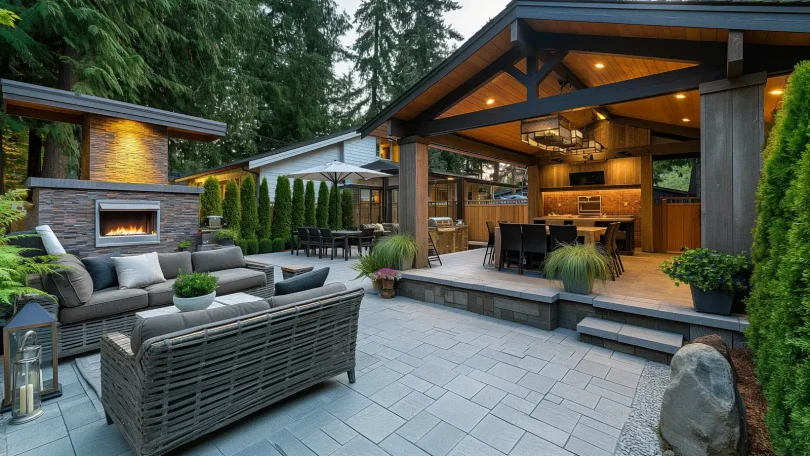

Introduction
Outdoor living has become one of the most popular home improvement trends in recent years. Homeowners are increasingly looking for ways to extend their living spaces beyond the walls of their homes and make better use of their outdoor areas. Whether you have a large backyard, a small patio, a rooftop terrace, or a cozy balcony, outdoor living ideas can help transform any space into a relaxing and enjoyable retreat.
A well-designed outdoor area provides more than just visual appeal. It creates a place where family members can gather, friends can socialize, children can play, and homeowners can relax after a long day. Modern outdoor living spaces often include comfortable seating, outdoor kitchens, fire pits, gardens, dining areas, and decorative lighting that blend comfort with functionality.
For beginners, creating an outdoor living space may seem overwhelming. However, with proper planning and a few creative ideas, anyone can design an inviting outdoor environment that suits their lifestyle and budget. The key is understanding how to maximize available space while maintaining comfort, beauty, and practicality.
This guide explores everything you need to know about outdoor living ideas, including their importance, planning strategies, design concepts, benefits, common mistakes, and expert recommendations. By the end of this article, you will have a clear roadmap for creating an outdoor space that enhances both your home and your daily life.
What is Outdoor Living Ideas?
Outdoor living ideas refer to creative concepts, designs, and improvements that transform outdoor areas into functional extensions of indoor living spaces. These ideas focus on making patios, decks, gardens, balconies, courtyards, and backyards more comfortable, attractive, and practical for everyday use.
The goal of outdoor living is to create spaces where people can relax, entertain guests, dine, exercise, work, or spend quality time with family. Instead of treating outdoor areas as unused spaces, homeowners can design them to support a variety of activities while improving the overall appearance of their property.
Outdoor living ideas can range from simple upgrades such as adding comfortable furniture and decorative plants to larger projects that include outdoor kitchens, pergolas, water features, and entertainment systems. The best outdoor spaces balance functionality, comfort, and aesthetics while reflecting the homeowner’s personal style.
These ideas are suitable for homes of all sizes. Even small outdoor spaces can be transformed into beautiful retreats through thoughtful planning, smart furniture choices, and creative design solutions.
Why is Outdoor Living Ideas Important?
Outdoor living spaces have become increasingly valuable because they provide additional functional areas without requiring expensive home expansions. By utilizing outdoor spaces effectively, homeowners can increase their property’s usability and overall enjoyment.
Spending time outdoors also contributes to physical and mental well-being. Fresh air, natural sunlight, and greenery can help reduce stress, improve mood, and promote relaxation. An attractive outdoor environment encourages people to spend more time outside and engage in healthy activities.
Outdoor living ideas also enhance property value. Well-designed patios, decks, landscaping, and entertainment areas often make homes more appealing to potential buyers. In many cases, outdoor improvements offer an excellent return on investment.
Additionally, outdoor living spaces support social interaction. They provide comfortable settings for family gatherings, celebrations, barbecues, and casual get-togethers. As a result, homeowners can create memorable experiences while making better use of their property’s available space.
Detailed Step-by-Step Guide
Step 1: Evaluate Your Outdoor Space
Before making any changes, carefully assess your available outdoor area. Measure dimensions, observe sunlight patterns, identify shaded areas, and consider existing landscaping features.
Understanding the strengths and limitations of your space helps you create a realistic design plan. Take note of drainage issues, privacy concerns, and any structural features that may affect your project.
Step 2: Define the Purpose of Your Space
Determine how you want to use your outdoor area. Some homeowners prioritize relaxation, while others focus on entertaining guests or creating family-friendly environments.
Common outdoor living purposes include:
- Outdoor dining
- Relaxation and lounging
- Gardening
- Family gatherings
- Children’s play areas
- Outdoor cooking
- Exercise spaces
- Home office extensions
Clearly defining your goals will guide your design decisions.
Step 3: Establish a Budget
Creating an outdoor living area can fit nearly any budget. Decide how much you are willing to spend before purchasing materials or furniture.
Budget categories may include:
- Furniture
- Landscaping
- Lighting
- Hardscaping
- Decorative accessories
- Outdoor cooking equipment
- Shade structures
Having a budget prevents overspending and helps prioritize essential features.
Step 4: Create Functional Zones
Dividing your outdoor area into separate zones improves organization and usability.
Popular zones include:
Dining Area
Install a table and chairs where family members can enjoy meals outdoors. Position the dining space near the house for convenience.
Lounge Area
Use comfortable seating, cushions, and coffee tables to create a relaxing environment for reading, conversation, or unwinding.
Cooking Zone
Outdoor kitchens, grills, and food preparation stations make entertaining easier and more enjoyable.
Garden Area
Dedicate space to flowers, vegetables, herbs, or decorative plants to add natural beauty.
Step 5: Choose Comfortable Furniture
Furniture plays a major role in outdoor comfort. Select weather-resistant materials that can withstand changing conditions.
Popular options include:
- Aluminum furniture
- Teak furniture
- Resin wicker furniture
- Powder-coated steel furniture
- Outdoor sectionals
- Adirondack chairs
Comfortable cushions and pillows enhance both appearance and functionality.
Step 6: Add Shade Solutions
Shade improves comfort during hot weather and protects furniture from excessive sun exposure.
Common shade options include:
- Pergolas
- Gazebos
- Umbrellas
- Shade sails
- Retractable awnings
- Covered patios
Proper shade extends the usability of outdoor spaces throughout the day.
Step 7: Install Outdoor Lighting
Lighting improves safety and creates an inviting atmosphere after sunset.
Consider combining multiple lighting types:
- String lights
- Solar lights
- Pathway lights
- Wall sconces
- Lanterns
- LED accent lighting
Layered lighting creates depth and visual interest.
Step 8: Incorporate Greenery
Plants bring life, texture, and color to outdoor living spaces.
Popular choices include:
- Flowering plants
- Shrubs
- Ornamental grasses
- Vertical gardens
- Container plants
- Herb gardens
Greenery softens hard surfaces and creates a more natural environment.
Step 9: Enhance Privacy
Privacy increases comfort and allows homeowners to enjoy outdoor spaces without feeling exposed.
Privacy solutions include:
- Fences
- Hedges
- Trellises
- Outdoor curtains
- Privacy screens
- Bamboo panels
Thoughtful privacy features create a peaceful retreat.
Step 10: Add Decorative Features
Personal touches help create a unique outdoor environment.
Consider adding:
- Outdoor rugs
- Throw pillows
- Water features
- Fire pits
- Decorative planters
- Sculptures
- Outdoor artwork
These elements enhance personality and visual appeal.
Step 11: Create Entertainment Areas
Entertainment features encourage greater use of outdoor spaces.
Ideas include:
- Outdoor television setups
- Bluetooth speakers
- Movie projection screens
- Game areas
- Fire pit seating circles
These additions make outdoor gatherings more enjoyable.
Step 12: Maintain Your Outdoor Space
Regular maintenance keeps your outdoor living area attractive and functional.
Maintenance tasks include:
- Cleaning furniture
- Trimming plants
- Replacing damaged accessories
- Checking lighting systems
- Pressure washing surfaces
- Seasonal inspections
Consistent care extends the life of your investment.
Benefits of Outdoor Living Ideas
Outdoor living spaces offer numerous advantages:
- Increase usable living space
- Improve property value
- Enhance curb appeal
- Promote relaxation and stress relief
- Encourage outdoor activities
- Support healthier lifestyles
- Create entertainment opportunities
- Improve family interaction
- Increase connection with nature
- Provide flexible dining options
- Enhance home aesthetics
- Boost overall homeowner satisfaction
- Encourage gardening and outdoor hobbies
- Offer peaceful retreat areas
- Improve outdoor functionality
Disadvantages / Risks
While outdoor living spaces provide many benefits, there are some challenges to consider:
- Initial setup costs can be significant
- Ongoing maintenance requirements
- Exposure to weather damage
- Furniture replacement expenses
- Pest and insect issues
- Seasonal usability limitations
- Landscaping upkeep responsibilities
- Potential drainage problems
- Outdoor electronics may require protection
- Privacy concerns in some locations
- Higher water usage for gardens
- Need for occasional repairs
Common Mistakes to Avoid
One of the most common mistakes is failing to create a clear plan before starting the project. Without a defined vision, homeowners often purchase furniture and accessories that do not fit the space properly. Planning helps ensure every element works together harmoniously.
Another mistake is choosing indoor furniture for outdoor environments. Outdoor furniture is specifically designed to withstand sunlight, moisture, and temperature fluctuations. Using inappropriate materials often leads to premature damage and replacement costs.
Many homeowners also underestimate the importance of lighting. Poor lighting can limit nighttime usability and reduce safety. A balanced lighting design enhances both functionality and atmosphere.
Ignoring shade solutions is another frequent error. Excessive sun exposure can make outdoor areas uncomfortable during warm months. Proper shade structures significantly improve comfort.
Overcrowding the space with too many decorative elements can make outdoor areas feel cluttered. Focus on quality over quantity and maintain sufficient open space for movement and relaxation.
Finally, neglecting maintenance often causes outdoor spaces to deteriorate quickly. Regular cleaning and upkeep help preserve both appearance and functionality.
FAQs
1. What are the best outdoor living ideas for small spaces?
Small outdoor spaces benefit from multifunctional furniture, vertical gardens, folding tables, wall-mounted planters, and compact seating arrangements. Strategic design can maximize every square foot.
2. How much does it cost to create an outdoor living space?
Costs vary widely depending on project size and features. Basic setups may cost a few hundred dollars, while luxury outdoor kitchens and custom patios can cost several thousand dollars.
3. Which outdoor furniture material lasts the longest?
Teak, aluminum, and high-quality resin wicker are among the most durable outdoor furniture materials. These options resist weather damage and require relatively low maintenance.
4. How can I make my backyard more private?
You can improve privacy with fences, hedges, privacy screens, pergolas with curtains, bamboo panels, or strategically placed landscaping elements.
5. What lighting works best for outdoor living areas?
A combination of string lights, pathway lights, lanterns, wall fixtures, and accent lighting typically provides the best balance of safety and ambiance.
6. Are outdoor kitchens worth the investment?
Outdoor kitchens can significantly improve entertainment opportunities and property value. They are especially beneficial for homeowners who frequently host gatherings and enjoy outdoor cooking.
7. How do I maintain outdoor furniture?
Clean furniture regularly, use protective covers, store cushions during harsh weather, and inspect materials periodically for signs of wear or damage.
8. Can outdoor living spaces increase home value?
Yes. Attractive and functional outdoor spaces often enhance curb appeal and make properties more appealing to prospective buyers, potentially increasing resale value.
Expert Tips & Bonus Points
Start with the essentials before investing in luxury features. Comfortable seating, proper lighting, and shade solutions typically provide the greatest immediate impact.
Use a cohesive color palette throughout the outdoor space. Consistent colors create visual harmony and make the area feel professionally designed.
Invest in high-quality furniture whenever possible. Durable materials reduce long-term replacement costs and maintain their appearance for years.
Incorporate natural elements such as stone, wood, water, and plants. These materials create a warm and inviting atmosphere.
Consider year-round usability by adding heating options, weather-resistant materials, and covered areas. This approach maximizes the return on your investment.
Layer textures through cushions, rugs, plants, and decorative accessories. Multiple textures add visual depth and comfort.
Use outdoor storage solutions to keep cushions, gardening tools, and accessories organized. A clutter-free space always appears more attractive.
Choose energy-efficient lighting systems, especially solar-powered options, to reduce utility costs and simplify installation.
Focus on comfort as much as appearance. A beautiful space that is uncomfortable will rarely be used.
Regularly update seasonal decorations and plants to keep your outdoor environment fresh and inviting throughout the year.
Conclusion
Outdoor living ideas offer an excellent opportunity to transform underutilized outdoor spaces into comfortable, functional, and visually appealing extensions of the home. Whether you have a spacious backyard or a compact balcony, thoughtful planning and creative design can significantly improve how you enjoy your outdoor environment.
The process begins with understanding your goals, evaluating your available space, and creating a practical plan that fits your budget. By incorporating essential elements such as comfortable seating, proper lighting, shade structures, greenery, privacy features, and decorative accents, you can build an outdoor area that supports relaxation, entertainment, and everyday living.
Outdoor living spaces provide numerous benefits, including increased property value, enhanced well-being, improved aesthetics, and additional functional space for family activities. While there are maintenance responsibilities and potential costs involved, the long-term advantages often outweigh these challenges.
Success comes from balancing beauty, comfort, and functionality. Avoid common mistakes, invest in durable materials, and focus on creating an environment that reflects your personal lifestyle. With the right approach, your outdoor space can become one of the most enjoyable and valuable areas of your home, providing years of comfort, relaxation, and memorable experiences for family and friends.