
Introduction
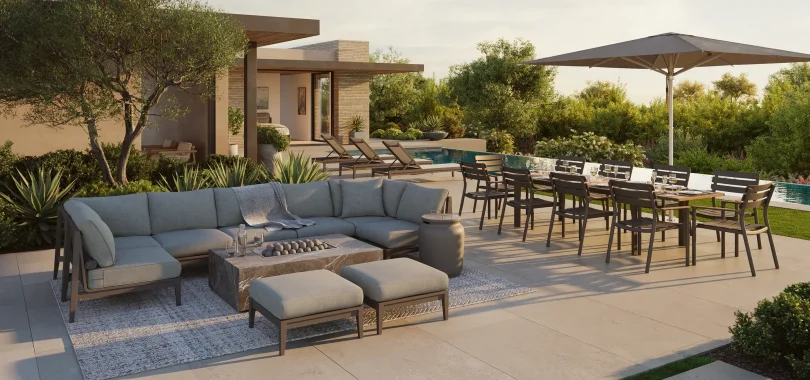
A well-designed patio can transform an ordinary outdoor area into a comfortable, stylish, and functional extension of your home. Whether you have a large backyard or a small outdoor corner, the right patio design can create the perfect place for relaxation, entertainment, family gatherings, and outdoor dining. Modern homeowners increasingly view patios as valuable living spaces that enhance both lifestyle and property value.
Patio design involves much more than simply placing furniture outdoors. It requires careful planning, thoughtful material selection, proper layout considerations, and attention to aesthetics. From choosing the right paving materials to selecting outdoor furniture, lighting, landscaping, and decorative elements, every decision contributes to the overall appearance and functionality of the space.
For beginners, designing a patio may seem overwhelming due to the numerous options available. However, with a clear understanding of the fundamentals, anyone can create an attractive and practical outdoor area. The key is balancing beauty, comfort, durability, and budget while considering the specific needs of your household.
This comprehensive guide covers everything you need to know about patio design, including planning strategies, design principles, material choices, common mistakes, benefits, challenges, and expert recommendations. By the end of this article, you will have the knowledge and confidence needed to design a patio that complements your home and provides years of enjoyment.
What is Patio Design?
Patio design refers to the process of planning, organizing, and decorating an outdoor living space that is typically adjacent to a house. A patio can serve multiple functions, including dining, relaxation, entertainment, cooking, and social gatherings. The design process focuses on creating a space that is both visually appealing and highly functional.
Patio design includes selecting suitable materials, determining layout arrangements, incorporating landscaping features, choosing furniture, installing lighting, and adding decorative elements. A successful patio design blends seamlessly with the architecture of the home while reflecting the homeowner’s personal style and lifestyle requirements.
Why is Patio Design Important?
A thoughtfully designed patio significantly enhances the usability of outdoor spaces. Instead of leaving a backyard underutilized, homeowners can create a dedicated area for recreation, relaxation, and entertaining guests. A well-planned patio encourages outdoor living and provides a peaceful retreat from indoor environments.
Patio design also contributes to property value and curb appeal. Attractive outdoor spaces are highly desirable among homebuyers and can make a property stand out in the market. Additionally, a functional patio creates more usable living space without the expense of building an indoor addition, making it a cost-effective home improvement investment.
Detailed Step-by-Step Guide to Patio Design
Step 1: Define the Purpose of Your Patio
Before selecting materials or furniture, determine how the patio will be used. Some homeowners prioritize outdoor dining, while others prefer a relaxation area with comfortable seating. Families may want a multifunctional space that accommodates children, gatherings, and outdoor activities.
Clearly identifying the purpose helps guide every design decision. A dining-focused patio may require ample table space, while an entertainment patio may benefit from built-in seating, a fire pit, or an outdoor kitchen.
Step 2: Assess Available Space
Measure the outdoor area accurately and evaluate its shape, slope, sunlight exposure, and surrounding features. Understanding these factors helps determine the most suitable layout and design elements.
Take note of nearby structures, trees, fences, and utilities. These elements may influence patio placement and affect future construction plans.
Step 3: Establish a Budget
Creating a realistic budget helps prevent overspending and ensures resources are allocated effectively. Patio projects can range from simple and affordable installations to luxurious outdoor living spaces.
Include costs for materials, labor, furniture, lighting, landscaping, permits, and maintenance. Setting financial limits early allows for smarter decision-making throughout the project.
Step 4: Choose a Patio Layout
The layout determines how people move through and interact with the space. Popular patio layouts include rectangular, circular, L-shaped, and free-form designs.
The chosen layout should complement the home’s architecture and maximize functionality. Consider pathways, seating arrangements, and focal points when planning the overall structure.
Step 5: Select Patio Materials
Material selection significantly impacts appearance, durability, maintenance requirements, and cost. Common patio materials include concrete, pavers, natural stone, brick, gravel, and tile.
Each material offers unique benefits. Natural stone provides elegance, while concrete offers affordability and versatility. Choose materials that align with your budget, climate conditions, and aesthetic preferences.
Step 6: Plan Seating Areas
Comfortable seating is essential for creating an inviting patio environment. Determine how many people the space should accommodate and select furniture accordingly.
Options include outdoor sofas, lounge chairs, benches, dining sets, and built-in seating. Weather-resistant materials ensure long-lasting performance and reduce maintenance needs.
Step 7: Incorporate Shade Solutions
Exposure to direct sunlight can reduce patio comfort during warm weather. Adding shade structures improves usability and protects furniture from UV damage.
Popular shade options include pergolas, gazebos, umbrellas, retractable awnings, and shade sails. Select solutions that complement the overall design while providing adequate coverage.
Step 8: Install Outdoor Lighting
Proper lighting enhances safety, functionality, and ambiance. Well-lit patios can be enjoyed during evenings and create a welcoming atmosphere for guests.
Layer different lighting types, including pathway lights, string lights, wall sconces, lanterns, and accent lighting. Combining multiple light sources adds depth and visual interest.
Step 9: Add Landscaping Elements
Plants and landscaping soften hard surfaces and introduce natural beauty to the patio area. Strategic landscaping creates privacy, improves aesthetics, and enhances the outdoor experience.
Consider flower beds, shrubs, ornamental grasses, potted plants, vertical gardens, and decorative trees. Choose species suitable for your climate and maintenance preferences.
Step 10: Create a Focal Point
Every successful patio design benefits from a visual centerpiece that draws attention and anchors the space. A focal point adds character and creates a sense of balance.
Popular focal points include fire pits, water features, outdoor fireplaces, sculptures, garden walls, and statement furniture pieces.
Step 11: Accessorize Thoughtfully
Accessories bring personality and comfort to outdoor spaces. Decorative elements can transform a basic patio into an inviting retreat.
Consider outdoor rugs, cushions, throw pillows, planters, artwork, lanterns, and seasonal decorations. Use accessories to reinforce the chosen design style.
Step 12: Prioritize Maintenance
Long-term maintenance should be considered during the design phase. Choosing durable materials and weather-resistant furnishings reduces upkeep and extends the patio’s lifespan.
Regular cleaning, sealing surfaces, trimming plants, and inspecting lighting systems help preserve appearance and functionality over time.
Benefits of Patio Design
A professionally planned patio offers numerous advantages for homeowners and families.
- Expands usable living space
- Enhances property value
- Improves outdoor aesthetics
- Creates a comfortable entertainment area
- Encourages outdoor activities
- Provides a relaxing environment
- Increases curb appeal
- Supports family gatherings
- Enhances home functionality
- Offers opportunities for outdoor dining
- Creates a connection with nature
- Improves overall lifestyle quality
- Can be customized to fit any budget
- Adds personality to outdoor spaces
- Supports healthy outdoor living
Disadvantages / Risks
Although patio projects offer many benefits, there are potential challenges to consider before starting.
- Initial construction costs can be high
- Some materials require ongoing maintenance
- Weather conditions may limit usage
- Improper drainage can cause water issues
- Poor planning can reduce functionality
- Outdoor furniture may deteriorate over time
- Landscaping requires upkeep
- Certain materials can become slippery when wet
- Building permits may be required in some areas
- Inadequate shade can reduce comfort during hot seasons
Common Mistakes to Avoid
One of the most common patio design mistakes is neglecting proper planning. Many homeowners rush into construction without considering how the space will be used. This often results in layouts that feel crowded, inefficient, or visually unbalanced. Taking time to create a detailed plan helps prevent costly modifications later.
Another frequent mistake is choosing style over functionality. While aesthetics are important, comfort and practicality should never be sacrificed. Poor furniture choices, inadequate lighting, insufficient shade, and improper material selection can negatively impact the overall experience. Balancing appearance with usability ensures long-term satisfaction.
Homeowners also frequently underestimate maintenance requirements. Certain materials and landscaping elements may require more upkeep than anticipated. Selecting low-maintenance options when appropriate helps preserve the patio’s appearance while minimizing ongoing effort.
Ignoring climate conditions is another costly error. Materials, plants, and furniture should be chosen based on local weather patterns. Designs that fail to account for sun exposure, rainfall, wind, or temperature fluctuations often experience premature wear and reduced functionality.
FAQs
1. What is the best material for a patio?
The best material depends on budget, climate, and design preferences. Concrete is affordable and versatile, while natural stone offers premium aesthetics. Pavers provide durability and design flexibility, making them a popular choice among homeowners.
2. How large should a patio be?
Patio size should reflect intended usage. Small patios may require 100 to 200 square feet, while larger entertainment spaces often exceed 400 square feet. Consider furniture placement and movement when determining dimensions.
3. How much does patio construction cost?
Costs vary based on size, materials, labor, and additional features. Basic patios may cost a few thousand dollars, while luxury outdoor living spaces can reach significantly higher investment levels.
4. Do I need a permit to build a patio?
Permit requirements vary by location. Ground-level patios often require minimal permits, but larger projects involving electrical work, structures, or plumbing may need approval from local authorities.
5. How can I make a small patio look larger?
Use light-colored materials, multipurpose furniture, vertical landscaping, and simple layouts. Strategic lighting and mirrors can also create the illusion of more space.
6. What furniture works best for patios?
Weather-resistant furniture made from aluminum, teak, resin wicker, or composite materials performs well outdoors. Comfortable seating and durable construction should be top priorities.
7. How do I add privacy to my patio?
Privacy can be achieved through fences, pergolas, decorative screens, hedges, climbing plants, and outdoor curtains. Combining multiple elements often produces the best results.
8. How often should a patio be maintained?
Maintenance frequency depends on materials and climate. Most patios benefit from seasonal cleaning, annual inspections, and periodic sealing to maintain appearance and durability.
Expert Tips & Bonus Points
Successful patio design starts with understanding how the space will be used throughout the year. Design with flexibility in mind so the patio can adapt to changing needs, seasons, and lifestyle preferences. Multifunctional spaces typically provide the greatest long-term value.
Create separate zones for different activities whenever space allows. For example, designate areas for dining, relaxation, cooking, and conversation. This organization improves functionality and makes the patio feel larger and more purposeful.
Invest in quality foundational elements before purchasing decorative accessories. Durable paving materials, comfortable seating, proper lighting, and effective drainage systems provide the strongest return on investment. Decorative items can always be added later.
Use a cohesive color palette that complements both the home exterior and surrounding landscape. Consistency creates a more polished appearance and helps tie the entire outdoor environment together.
Consider future maintenance requirements before making final decisions. Low-maintenance materials and native plants can save significant time and money while maintaining visual appeal for years.
Conclusion
Patio design is one of the most rewarding home improvement projects because it combines beauty, functionality, and lifestyle enhancement in a single outdoor space. Whether your goal is creating a peaceful retreat, a family gathering area, or an entertainment hub, thoughtful planning is the foundation of success. By understanding your needs, evaluating available space, choosing suitable materials, and incorporating practical design features, you can create a patio that serves your household for many years.
A well-designed patio extends your living environment beyond the walls of your home and encourages greater enjoyment of outdoor spaces. Features such as comfortable seating, attractive landscaping, proper lighting, and effective shade solutions contribute to a welcoming atmosphere that family members and guests can appreciate throughout the year.
While challenges such as budgeting, maintenance, and weather considerations exist, careful preparation helps minimize these concerns. Avoiding common design mistakes and applying expert recommendations can significantly improve project outcomes. Ultimately, investing time and effort into patio design results in a versatile, beautiful, and valuable outdoor space that enhances both daily living and property appeal. With the right approach, even beginners can create a patio that combines comfort, style, and long-term functionality.