
Introduction
House maintenance is one of the most important responsibilities of homeownership. Whether you own a newly built property or an older house, regular maintenance helps keep your home safe, comfortable, and valuable. Many homeowners overlook small issues until they become expensive repairs. However, a proactive approach can save significant money, reduce stress, and extend the lifespan of your home’s systems and structures.
A well-maintained house not only looks attractive but also functions efficiently. From checking the roof and gutters to servicing heating and cooling systems, every maintenance task plays a role in protecting your investment. Regular inspections help identify problems early, preventing minor concerns from turning into major disasters.
For beginners, house maintenance may seem overwhelming because there are numerous tasks to remember throughout the year. Fortunately, creating a maintenance schedule and understanding the basics can make the process much easier. With the right knowledge and planning, anyone can keep their home in excellent condition without spending a fortune on repairs.
This comprehensive guide covers everything you need to know about house maintenance, including its importance, step-by-step procedures, benefits, common mistakes, expert tips, and frequently asked questions. By following these recommendations, you can ensure your home remains functional, efficient, and valuable for many years.
What is House Maintenance?
House maintenance refers to the routine inspection, repair, cleaning, and upkeep of a home’s structural components, systems, and appliances. The goal is to preserve the property’s condition, prevent costly repairs, and ensure a safe living environment. House maintenance includes tasks such as checking plumbing systems, cleaning gutters, servicing HVAC units, inspecting roofs, maintaining electrical systems, and caring for outdoor spaces.
Unlike major renovations, maintenance focuses on preserving what already exists. Regular upkeep prevents deterioration and helps homeowners identify potential problems before they become serious. Every home requires ongoing attention regardless of its size, age, or location.
House maintenance can be divided into daily, monthly, seasonal, and annual tasks. Some activities are simple enough for homeowners to handle themselves, while others require professional assistance. A balanced maintenance routine protects your property and improves overall living comfort.
By understanding house maintenance and implementing a structured approach, homeowners can reduce unexpected expenses, improve energy efficiency, and extend the lifespan of essential home systems.
Why is House Maintenance Important?
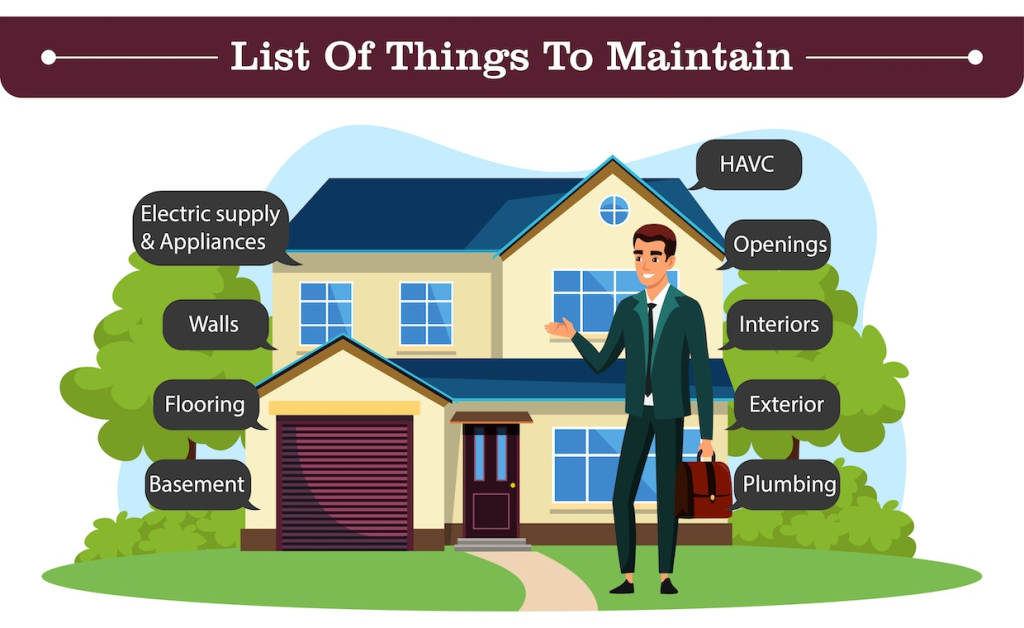
Regular house maintenance protects one of the largest financial investments most people will ever make. A home that receives consistent care remains structurally sound, aesthetically pleasing, and functional for a longer period. Ignoring maintenance often leads to costly repairs that could have been avoided with early detection and preventive action.
Maintenance also contributes to safety and health. Electrical issues, plumbing leaks, mold growth, and damaged roofing can create serious hazards for occupants. Routine inspections help identify these risks before they become dangerous. In addition, proper maintenance supports better indoor air quality and overall comfort.
Another important reason for maintaining a home is preserving property value. Potential buyers are more attracted to homes that show evidence of proper care. A well-maintained property often sells faster and at a higher price than one with visible maintenance issues.
Furthermore, regular maintenance improves energy efficiency. Proper insulation, clean HVAC systems, sealed windows, and functioning appliances reduce energy consumption and lower utility bills. Over time, these savings can be substantial.
Detailed Step-by-Step Guide
Create a Home Maintenance Schedule
The first step in effective house maintenance is creating a schedule. Divide tasks into monthly, seasonal, and annual categories. A maintenance calendar helps ensure important inspections and repairs are not forgotten.
Keep records of completed tasks, service dates, warranties, and repair history. Organized documentation makes future maintenance easier and helps identify recurring problems.
Inspect the Roof Regularly
The roof protects the entire home from weather-related damage. Inspect it at least twice a year and after severe storms. Look for missing shingles, cracks, sagging areas, and signs of water intrusion.
Promptly address roofing issues to prevent leaks and structural damage. Even small roof problems can become expensive if ignored for extended periods.
Clean and Maintain Gutters
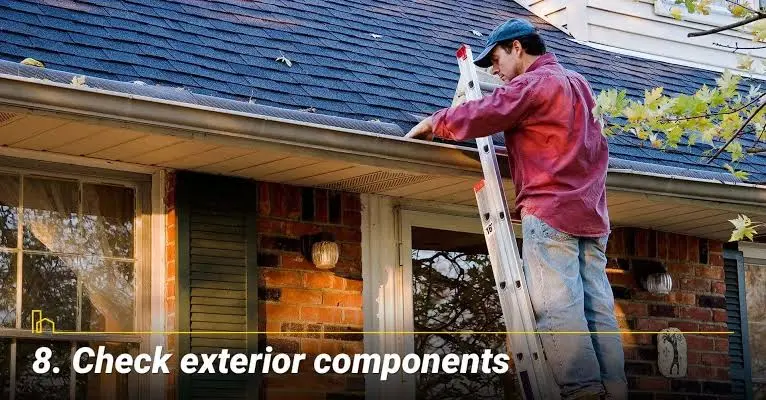
Gutters direct rainwater away from the home’s foundation. Clogged gutters can cause water damage, basement flooding, and foundation issues.
Clean gutters at least twice a year, especially during fall and spring. Remove leaves, dirt, and debris to ensure proper water flow and drainage.
Check the Foundation
Inspect the foundation for cracks, moisture problems, and uneven settling. Small cracks may be normal, but larger ones should be evaluated by a professional.
Maintaining proper drainage around the home helps prevent foundation damage. Ensure water flows away from the house rather than pooling near the structure.
Maintain Plumbing Systems
Regular plumbing inspections help prevent leaks and water damage. Check faucets, pipes, toilets, and water heaters for signs of wear or leakage.
Fix dripping faucets immediately, as they waste water and increase utility bills. Monitor water pressure and inspect exposed pipes for corrosion.
Service HVAC Systems
Heating, ventilation, and air conditioning systems require regular maintenance for efficient operation. Replace air filters every one to three months depending on usage.
Schedule professional HVAC inspections annually. Clean vents and ducts periodically to improve airflow and indoor air quality.
Inspect Electrical Systems
Electrical maintenance helps prevent safety hazards and system failures. Test outlets, switches, and circuit breakers regularly.
Watch for flickering lights, burning odors, warm outlets, or frequent breaker trips. These signs may indicate electrical issues requiring professional attention.
Maintain Doors and Windows
Inspect doors and windows for drafts, damaged seals, and moisture intrusion. Replace worn weatherstripping to improve insulation and energy efficiency.
Lubricate hinges and locks to ensure smooth operation. Properly maintained windows and doors enhance security and comfort.
Care for Exterior Surfaces
The home’s exterior is constantly exposed to weather conditions. Inspect siding, paint, brickwork, and trim for damage.
Clean exterior surfaces annually and repair any cracks or deterioration. Repainting when necessary helps protect materials from moisture and UV damage.
Maintain Landscaping
Trees, shrubs, and landscaping can affect a home’s structure. Trim branches away from the roof and siding to prevent damage.
Ensure proper grading around the property to direct water away from the foundation. Healthy landscaping contributes to curb appeal and property value.
Check Smoke and Carbon Monoxide Detectors
Safety devices should be tested monthly. Replace batteries at least once a year and replace units according to manufacturer recommendations.
Functioning smoke and carbon monoxide detectors provide essential protection for household members.
Inspect Appliances
Household appliances perform better and last longer when properly maintained. Clean refrigerator coils, inspect washing machine hoses, and check dryer vents regularly.
Follow manufacturer guidelines for servicing and maintenance to maximize appliance lifespan and efficiency.
Prepare for Seasonal Changes
Different seasons create different maintenance requirements. Winter preparation may include insulating pipes and servicing heating systems.
Spring and summer often involve landscaping, exterior cleaning, and air conditioning maintenance. Seasonal preparation reduces weather-related damage and improves efficiency.
Benefits of House Maintenance
- Extends the lifespan of home systems and structures
- Reduces costly emergency repairs
- Improves energy efficiency
- Enhances property value
- Creates a safer living environment
- Prevents water damage and mold growth
- Improves indoor air quality
- Increases home comfort
- Helps identify problems early
- Reduces long-term maintenance expenses
- Enhances curb appeal
- Supports better resale opportunities
- Protects financial investment
- Improves appliance performance
- Provides peace of mind
Disadvantages / Risks
- Requires ongoing time commitment
- Some maintenance tasks can be physically demanding
- Professional services may be expensive
- Neglected maintenance can lead to larger repair costs
- Homeowners may overlook hidden issues
- Improper DIY repairs can create additional problems
- Seasonal maintenance can be affected by weather conditions
- Unexpected issues may arise despite preventive efforts
- Specialized tools may be needed for certain tasks
- Maintenance records require organization and consistency
Common Mistakes to Avoid
Many homeowners wait until something breaks before taking action. Reactive maintenance often results in higher repair costs and greater inconvenience. Regular inspections help identify issues before they become serious.
Ignoring small leaks is another common mistake. Minor plumbing leaks can cause significant water damage, mold growth, and structural deterioration over time. Prompt repairs save money and prevent complications.
Skipping HVAC maintenance frequently leads to reduced efficiency and premature system failure. Dirty filters and neglected equipment increase energy consumption and strain system components.
Failing to clean gutters is also a widespread problem. Blocked gutters can cause foundation damage, roof leaks, and landscape erosion. Consistent cleaning helps avoid these costly issues.
Another mistake is neglecting safety equipment. Smoke detectors and carbon monoxide alarms should always be tested and maintained. Homeowners should never assume these devices are functioning properly without regular checks.
Finally, many people attempt complex repairs without proper knowledge. While DIY maintenance can save money, certain tasks require professional expertise to ensure safety and effectiveness.
FAQs
1. How often should house maintenance be performed?
House maintenance should occur throughout the year. Some tasks require monthly attention, while others are seasonal or annual. Following a structured schedule ensures all important areas receive proper care.
2. What is the most important home maintenance task?
There is no single most important task, but roof inspections, plumbing checks, HVAC servicing, and foundation monitoring are among the highest priorities because they protect critical systems and structures.
3. Can I perform house maintenance myself?
Many maintenance tasks can be completed by homeowners, including cleaning gutters, replacing filters, testing alarms, and inspecting visible areas. However, electrical, roofing, and major plumbing work may require professionals.
4. How much does house maintenance cost annually?
Costs vary depending on home size, age, and condition. Many experts recommend budgeting approximately 1% to 3% of the home’s value annually for maintenance and repairs.
5. Why is preventive maintenance better than reactive maintenance?
Preventive maintenance identifies issues before they become serious. This approach reduces repair costs, minimizes disruptions, and extends the lifespan of home systems and components.
6. How can house maintenance increase property value?
A well-maintained home demonstrates responsible ownership and reduces concerns for potential buyers. Proper maintenance preserves structural integrity, appearance, and functionality, which positively affects resale value.
7. What maintenance tasks should be done every month?
Monthly tasks typically include testing smoke detectors, checking air filters, inspecting plumbing fixtures, monitoring utility bills for unusual increases, and examining visible areas for damage.
8. When should professional inspections be scheduled?
Professional inspections are recommended annually for HVAC systems, roofing assessments, electrical systems, and plumbing evaluations. Older homes may benefit from more frequent inspections.
Expert Tips & Bonus Points
Professional homeowners and property managers understand the value of consistency. Instead of waiting for major issues, they perform small maintenance tasks regularly. This strategy prevents expensive surprises and keeps homes operating efficiently.
Keep a dedicated maintenance journal or digital record. Document repairs, service dates, warranties, and inspection results. Organized records make future planning easier and provide valuable information during property sales.
Invest in quality tools for basic maintenance. Essential items include a ladder, flashlight, screwdriver set, pliers, caulking gun, and safety equipment. Having the right tools encourages timely repairs.
Set reminders for recurring tasks using a calendar or smartphone app. Automated reminders help maintain consistency and prevent overlooked responsibilities.
Conduct a complete home walkthrough every season. Carefully inspect interior and exterior areas, looking for signs of wear, leaks, cracks, or unusual changes. Early detection remains one of the most effective maintenance strategies.
Consider creating an emergency repair fund. Unexpected maintenance issues can arise despite the best preventive efforts. Financial preparation reduces stress when urgent repairs become necessary.
Conclusion
House maintenance is a critical aspect of responsible homeownership that protects both your property and financial investment. By performing regular inspections, cleaning, repairs, and preventive maintenance, homeowners can avoid costly emergencies and extend the lifespan of essential systems. Although maintaining a home requires time and effort, the long-term rewards far outweigh the challenges.
A structured maintenance plan helps ensure that no important task is overlooked. From roof inspections and plumbing checks to HVAC servicing and landscaping care, every maintenance activity contributes to the overall health of the property. Consistency is the key to success. Small actions performed regularly often prevent major problems from developing.
Beyond financial benefits, proper house maintenance improves safety, comfort, energy efficiency, and indoor living conditions. It also enhances curb appeal and preserves property value, making the home more attractive to future buyers. Homeowners who prioritize maintenance typically experience fewer unexpected repairs and greater peace of mind.
Whether you are a first-time homeowner or simply looking to improve your maintenance routine, implementing the strategies outlined in this guide will help you keep your home in excellent condition. With careful planning, routine inspections, and timely repairs, your house can remain safe, efficient, and beautiful for many years to come.