

Introduction
A home is one of the most valuable investments most people will ever make. Whether you own a small apartment, a family house, or a newly built property, regular maintenance is essential for keeping everything in excellent condition. Unfortunately, many homeowners overlook basic maintenance tasks until a costly problem appears. A leaking roof, clogged gutters, damaged plumbing, or faulty electrical systems can quickly turn into expensive repairs when ignored.
A well-planned home maintenance checklist helps homeowners stay organized and proactive. Instead of reacting to problems after they occur, you can identify potential issues early and fix them before they become major concerns. Regular inspections and routine upkeep not only improve safety but also increase the lifespan of your home’s systems and structures.
For beginners, home maintenance may seem overwhelming because there are many areas to monitor, including plumbing, roofing, HVAC systems, electrical components, landscaping, and interior spaces. However, breaking maintenance into manageable monthly, seasonal, and annual tasks makes the process much easier.
This comprehensive guide will walk you through everything you need to know about creating and following an effective home maintenance checklist. You’ll learn why maintenance matters, which tasks should be prioritized, common mistakes to avoid, and expert tips that can save both time and money.
What is Home Maintenance Checklist?
A home maintenance checklist is a structured list of tasks designed to keep a property in good condition throughout the year. It includes routine inspections, cleaning schedules, repairs, and preventive measures that help homeowners maintain the functionality, safety, and appearance of their homes.
The checklist typically covers various areas of the home, including roofing, plumbing, electrical systems, heating and cooling equipment, windows, doors, gutters, landscaping, appliances, and safety devices. By following a maintenance schedule, homeowners can ensure that no important task is forgotten and that every part of the property receives proper attention.
A well-organized checklist is usually divided into monthly, seasonal, and annual tasks. This approach makes maintenance easier to manage and prevents homeowners from becoming overwhelmed by large projects. Instead of waiting for problems to arise, regular maintenance keeps everything running smoothly and efficiently.
Home maintenance is not only about preserving appearance. It also helps prevent expensive repairs, improves energy efficiency, enhances safety, and protects the overall value of the property. Whether you are a new homeowner or have years of experience, a home maintenance checklist serves as an essential tool for responsible property care.
Why is Home Maintenance Checklist Important?
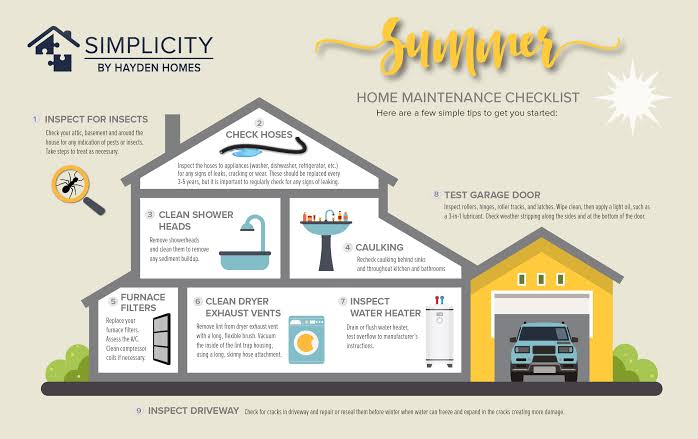
Regular home maintenance plays a critical role in preserving the integrity of a property. Small issues that seem insignificant today can develop into major structural problems if left unchecked. Routine inspections allow homeowners to identify these issues early and address them before they become costly emergencies.
A maintenance checklist also contributes to household safety. Faulty electrical wiring, leaking gas lines, blocked vents, and damaged smoke detectors can create serious risks for occupants. Regular maintenance helps ensure that these systems remain safe and functional throughout the year.
Another important benefit is financial savings. Preventive maintenance is almost always less expensive than emergency repairs. Replacing a worn-out seal on a window is far cheaper than repairing water damage caused by prolonged leaks. By investing a small amount of time and money in routine maintenance, homeowners can avoid significant repair expenses in the future.
In addition, well-maintained homes tend to retain higher market value. Potential buyers are more likely to purchase a property that has been properly cared for and regularly inspected. A documented maintenance history can also increase buyer confidence and support a stronger selling price.
Detailed Step-by-Step Guide
Step 1: Create a Maintenance Schedule
Start by developing a maintenance calendar that includes monthly, seasonal, and annual tasks. Use a notebook, spreadsheet, or digital app to track completed work and upcoming inspections.
Assign specific dates for each task to ensure consistency. Scheduling maintenance prevents important jobs from being forgotten and helps distribute responsibilities throughout the year.
Step 2: Inspect the Roof
The roof protects your entire home from weather damage. Inspect it regularly for missing shingles, cracked tiles, damaged flashing, and signs of leaks.
Check ceilings and attic spaces for water stains that may indicate roof problems. Addressing minor issues early can prevent costly structural damage.
Step 3: Clean Gutters and Downspouts
Gutters direct rainwater away from the home. Leaves, dirt, and debris can block water flow, causing overflow and foundation damage.
Clean gutters at least twice a year and ensure downspouts direct water away from the property. Proper drainage reduces the risk of basement flooding and erosion.
Step 4: Check HVAC Systems
Heating and cooling systems require regular maintenance for optimal performance. Replace air filters every one to three months depending on usage and indoor air quality conditions.
Schedule professional inspections annually to clean components, check refrigerant levels, and ensure efficient operation. Well-maintained HVAC systems consume less energy and last longer.
Step 5: Inspect Plumbing
Check sinks, faucets, toilets, and exposed pipes for leaks. Even small leaks can waste significant amounts of water and increase utility bills.
Inspect water heaters for corrosion, unusual noises, or sediment buildup. Flushing the tank annually helps maintain efficiency and prolongs equipment life.
Step 6: Test Electrical Systems
Examine outlets, switches, and circuit breakers for signs of wear or malfunction. Replace damaged components immediately to prevent safety hazards.
Test Ground Fault Circuit Interrupter (GFCI) outlets regularly, especially in kitchens, bathrooms, and outdoor areas. These devices help prevent electrical shocks.
Step 7: Maintain Windows and Doors
Inspect window frames and door seals for cracks, gaps, or weather damage. Replace worn weather stripping to improve insulation and reduce energy loss.
Clean tracks, lubricate hinges, and ensure locks operate correctly. Proper maintenance improves comfort, security, and energy efficiency.
Step 8: Check Smoke and Carbon Monoxide Detectors
Test all smoke detectors and carbon monoxide alarms monthly. Replace batteries at least once a year or according to manufacturer recommendations.
These devices provide critical early warnings during emergencies and can save lives when functioning properly.
Step 9: Inspect Exterior Surfaces
Examine siding, brickwork, paint, and foundation areas for cracks, peeling paint, or water damage. Repair issues promptly to prevent further deterioration.
Pressure wash exterior surfaces when necessary to remove dirt, mold, and mildew buildup. Clean exteriors improve appearance and protect building materials.
Step 10: Maintain Landscaping
Trim trees and shrubs away from the home to prevent damage during storms. Remove dead branches that could fall and cause injuries or property damage.
Keep grass healthy, maintain drainage paths, and monitor plant growth near foundations. Proper landscaping helps protect the structure and improve curb appeal.
Step 11: Service Household Appliances
Inspect major appliances such as refrigerators, washing machines, dryers, and dishwashers regularly. Clean filters, vents, and coils according to manufacturer recommendations.
Routine maintenance improves performance, extends appliance lifespan, and reduces energy consumption.
Step 12: Perform Seasonal Inspections
Each season presents unique maintenance requirements. Spring may focus on roof inspections and gutter cleaning, while winter preparation includes pipe insulation and heating system checks.
Adjust your maintenance activities according to local climate conditions to ensure year-round protection.
Benefits of Home Maintenance Checklist
- Prevents costly repairs and emergency expenses
- Extends the lifespan of home systems and appliances
- Improves household safety
- Increases energy efficiency
- Maintains property value
- Enhances curb appeal
- Reduces water damage risks
- Improves indoor air quality
- Supports comfortable living conditions
- Helps identify problems early
- Reduces utility bills
- Simplifies long-term home management
- Protects structural integrity
- Improves resale potential
- Provides peace of mind
Disadvantages / Risks
- Requires ongoing time commitment
- Some tasks may require specialized tools
- Professional services can increase maintenance costs
- Neglecting schedules reduces effectiveness
- DIY mistakes may lead to additional repairs
- Seasonal weather can delay maintenance work
- Unexpected issues may still occur despite routine inspections
- Large properties often require more extensive maintenance efforts
Common Mistakes to Avoid
One common mistake is ignoring small issues. A minor leak, loose shingle, or cracked seal may seem harmless but can lead to significant damage over time. Addressing problems immediately often prevents expensive repairs later.
Another mistake is skipping regular inspections. Many homeowners assume everything is functioning properly because there are no visible signs of trouble. Routine inspections help identify hidden problems before they worsen.
Using incorrect tools or repair methods can also create complications. Always follow manufacturer guidelines and seek professional assistance when necessary. Attempting complex repairs without proper knowledge may increase costs and safety risks.
Many homeowners forget to maintain outdoor areas. Gutters, landscaping, drainage systems, and exterior surfaces are just as important as interior components. Neglecting these areas can result in structural and water-related damage.
FAQs
1. How often should home maintenance be performed?
Basic inspections should be conducted monthly, while more extensive maintenance tasks should be completed seasonally and annually. Following a structured schedule ensures comprehensive property care.
2. What is the most important home maintenance task?
There is no single most important task, but roof inspections, plumbing checks, HVAC maintenance, and safety device testing are among the highest priorities because they affect safety and structural integrity.
3. Can I perform home maintenance myself?
Many maintenance tasks can be completed by homeowners, including cleaning gutters, replacing filters, testing alarms, and inspecting visible components. However, specialized electrical, plumbing, and structural work should be handled by professionals.
4. How much should I budget for home maintenance?
Many experts recommend setting aside approximately 1% to 3% of your home’s value annually for maintenance and repairs. Actual costs vary depending on property age, size, and condition.
5. Why are seasonal inspections important?
Seasonal inspections help homeowners prepare for changing weather conditions. They allow potential problems to be identified and corrected before extreme temperatures or storms cause damage.
6. Does home maintenance increase property value?
Yes. Well-maintained properties generally retain higher market value and attract more buyers. Proper maintenance demonstrates responsible ownership and reduces concerns about future repairs.
7. How can I track maintenance tasks?
Use digital apps, spreadsheets, calendars, or printed checklists. Maintaining records helps ensure tasks are completed on schedule and provides useful documentation for future reference.
8. What happens if maintenance is ignored?
Neglecting maintenance can lead to structural damage, higher utility bills, safety hazards, reduced property value, and costly emergency repairs.
Expert Tips & Bonus Points
Create a dedicated home maintenance binder that contains appliance manuals, warranty documents, inspection reports, and repair records. Having everything organized saves time during maintenance and repairs.
Take photographs during inspections to track changes over time. Visual records make it easier to identify developing problems and monitor repair effectiveness.
Establish an emergency repair fund specifically for unexpected home issues. Financial preparation helps reduce stress when urgent repairs become necessary.
Invest in high-quality tools for routine maintenance. Reliable equipment improves efficiency and often delivers better results than inexpensive alternatives.
Schedule professional inspections for critical systems such as roofing, HVAC equipment, electrical wiring, and plumbing. Expert evaluations can reveal issues that homeowners might overlook.
Set reminders on your smartphone or calendar for recurring maintenance tasks. Automated reminders help maintain consistency and prevent missed inspections.
Conclusion
Maintaining a home is an ongoing responsibility that requires planning, consistency, and attention to detail. While the process may seem overwhelming at first, following a structured home maintenance checklist makes it much easier to manage. By dividing tasks into monthly, seasonal, and annual schedules, homeowners can stay organized and ensure that every area of the property receives proper care.
Regular maintenance offers numerous benefits, including improved safety, increased energy efficiency, lower repair costs, and enhanced property value. Simple actions such as cleaning gutters, replacing HVAC filters, testing safety devices, and inspecting plumbing systems can prevent major issues from developing. These preventive measures save money while protecting one of your most important investments.
Homeowners who prioritize maintenance often enjoy greater peace of mind because they know their property is being properly cared for. Rather than dealing with expensive emergency repairs, they can address small concerns before they become serious problems. Consistent upkeep also creates a more comfortable and attractive living environment for family members and guests.
Whether you are a first-time homeowner or simply looking to improve your maintenance routine, implementing a comprehensive home maintenance checklist is one of the smartest steps you can take. A little effort today can prevent significant problems tomorrow and help ensure your home remains safe, efficient, and valuable for years to come.