Respondents between the ages of 25 and 44 years were most likely to report a beneficial effect of marijuana on sleep (45%) — while older adults were less likely to report using marijuana. Results show that there are gender and age differences in both marijuana use and its perceived impact on sleep. In contrast (19% of adults reported either no impact (11%) or that their sleep is worse when they use marijuana (8%)), and 47% of respondents indicated that they don’t use marijuana. One-third (33%) of adults reported that their sleep is slightly or significantly better when they use marijuana.
As the legal landscape evolves, it is increasingly probable that patients will report cannabis product usage for sleep to healthcare providers.
An essential factor concerning cannabis consumption among adolescents and young adults is its influence on cognitive abilities and intelligence. The theory of the entourage effect suggests that whole-flower cannabis’s non-THC elements affect the overall impact of cannabis. A review of existing literature regarding CBD and anxiety ultimately concluded that the evidence is both limited and mixed , Lichenstein, 2022,.
Sleep has a well-documented role in the maintenance of cognitive function, thus there may be an interactive or additive effect of cannabis on cognition via its purported effect on sleep. This diurnal ECB expression pattern indicates that brain regions controlling cognitive function may be regulated in a circadian-like manner. The ECB system has become an emerging target of interest due to its purported role in both sleep regulation and cognition.
The introduction of the Sunshine for Our Kids Act, aimed at creating a permanent standard time, is being celebrated by AASM.
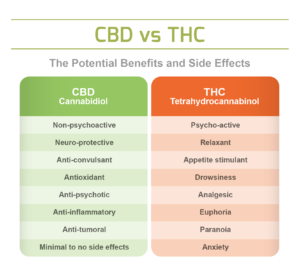
Descriptive statistics for anxiety and sleep scores among adults using cannabidiol treatment Table 1 provides means and standard deviations for sleep and anxiety scores at baseline and during the follow-up period for adults taking CBD. Deidentified patient data were evaluated using descriptive statistics and plotted graphically for visual analysis and interpretation of trends. Side effects and tolerability of CBD treatment were assessed through spontaneous patient self-reports and were documented in case records.
When considered collectively, the findings indicate that while cannabis may lead to temporary, subjective enhancements, issues such as tolerance, withdrawal symptoms, and varying outcomes among studies underscore the necessity for additional research. Overall, their results were mildly positive to neutral. The research in this domain remains inconsistent and limited. Gradually — the effect of cannabis on sleep tends to become neutral, and in certain situations, it might even deteriorate sleep quality.
AASM condemns House passage of Sunshine Protection Act
Results from this large naturalistic sample of medicinal cannabis users who tracked their insomnia symptoms before and after cannabis use suggest significant improvements in insomnia symptoms, with no gender differences cannabis in traditional healing practices in perceived efficacy. Additionally, research into the effects of cannabis on sleep is often conducted with people who have other health problems. Three animal studies also evaluated the effects of cannabis on sleep-wake activity and cognition. In this systematic scoping review, we identified six human studies and six animal studies that included data on the effects of the sleep-wake cycle and the ECB system on cognitive function and behavior.
METHODS
These findings support the hypothesis that CBD has more predictable sleep-promoting effects that may be moderated by stress — underlying health conditions, and concurrent medications. Studies have shown that low-to-moderate doses of CBD promote wakefulness in young adults and preclinical models 39, 40 and improve sleep in adults . This study also confirms that higher doses of CBD result in greater sleep improvement 36, 37, even though, unlike THC, CBD is not thought to alter sleep architecture . During their participation (75% of cancer patients used enteral (oral) cannabis products), either alone or in combination with inhalation products. Approximately 40% qualified for the reduced program fee — which was used in this study as a proxy for patient financial status.
Although an initial open-label trial indicated some enhancements in the apnea-hypopnea index (AHI), there was considerable variability in the responses observed. Regarding the survey, an online questionnaire of 2,007 U.S. adults was commissioned by the American Academy of Sleep Medicine. According to the CDC, 3.7% of U.S. adults reported using marijuana or another cannabis product multiple days a week or daily over the past 30 days to aid sleep. Research investigating the effects of cannabis products on sleep has yielded contradictory outcomes.
The small number of human studies on the effects of cannabis use on sleep and cognitive function limits the convergence of findings but suggests dissociation between cannabis effects on cognition and sleep. This study cohort had 40 articles, where 28 examined the effects of cannabis on sleep,33–60 4 evaluated on both sleep and chronic pain,61–64 3 described the effects of cannabis on sleep and posttraumatic stress disorders,65–67 3 examined the effects of cannabis solely on OSA,68–70 and 2 studies described cannabis for RLS.31,71,72 This study was conducted within the Minnesota Medical Cannabis Program (MMCP), which authorizes patients with specific qualifying conditions to receive cannabis products . Nevertheless, these results are consistent with a cross-sectional survey of medical cannabis users’ patterns of use which revealed inhalation is the most common method of use . De-identified data were obtained from Strainprint®, which houses a medical cannabis technology platform in Canada. The final sample consisted of 991 Canadian medicinal cannabis users with insomnia who used the app to monitor changes in insomnia symptoms across 24,189 recorded sessions.
There has been extensive research on the effects of cannabis on the pulmonary system both in the acute and long-term settings. There is suggestion on a molecular level and based on retrospective analyses that cannabis may have a negative impact on the cardiovascular system, but prospective clinical data has not confirmed these suggested findings. However, this study was limited by measuring its variables by self-report, as the outcomes could be subject to recall bias, and the self-reported cannabis use was in poor agreement with biochemical validation , Jeffers et al., 2024,. These changes dysregulate stress and anxiety responses, thermoregulation, the transient receptor potential vanilloid system, and several neurotransmitter systems, and thus may mediate the pathophysiology of CHS (DeVuono & Parker, 2020).
Data were collected using the Strainprint app (which allows medicinal cannabis users to log conditions and symptoms), track cannabis use, and monitor symptom severity pre- and postcannabis use. When using cannabis products to help with sleep, people often use them before going to bed. Little research has been conducted on the best strain for sleep, though a small study found several preferred strains. Additionally — people who are pregnant or nursing should avoid using cannabis products that contain THC or CBD. This is due to differences in how individual cannabinoids (such as THC and CBD), affect the body.
We performed a retrospective study on users of medicinal cannabis to analyze the usage patterns and perceived effectiveness of cannabinoids in treating insomnia. The three remaining animal experiments either directly assessed or manipulated endocannabinoids to explore their effects on sleep-wake behavior and cognitive processes. In studies that measured the sleep-wake cycle in response to endocannabinoid manipulation, noteworthy differences were observed in the duration spent in particular sleep stages (REM, NREM, and awake) with sleep onset latency consistently modified across different species. In conclusion — the studies presented ambiguous results regarding the impact of cannabis use on cognitive functioning and the sleep-wake cycle. The researchers concluded that no link existed between cannabis use and activation of the reward pathways, instead finding correlations between activation of these pathways and changes in circadian preferences.