
Introduction
Modern interior design is one of the most popular design styles in homes, apartments, offices, and commercial spaces around the world. Known for its clean lines, functional layouts, neutral color palettes, and uncluttered appearance, modern design creates environments that feel open, comfortable, and visually appealing. Unlike overly decorative styles, modern interiors focus on simplicity, purpose, and balance, making them ideal for people who appreciate organized and elegant living spaces.
As lifestyles continue to evolve, modern interior design has become more relevant than ever. Homeowners seek spaces that support productivity, relaxation, entertainment, and personal well-being. Modern design achieves this by combining aesthetics with functionality, ensuring that every piece of furniture, decoration, and architectural element serves a meaningful purpose. Whether you are decorating a small apartment or renovating a large family home, understanding modern interior design can help you make better decisions and create a space that reflects your personality.
This comprehensive guide explains everything beginners need to know about modern interior design. You will learn its core principles, importance, implementation process, advantages, disadvantages, common mistakes, expert recommendations, and frequently asked questions. By the end, you will have a clear understanding of how to transform any space into a stylish and practical modern environment.
What is Modern Interior Design?
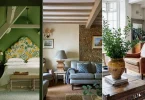
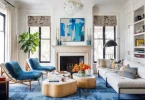
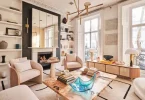
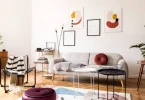
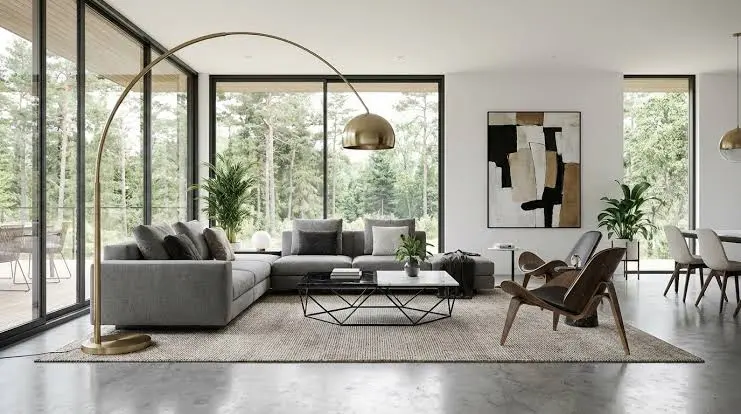
Modern interior design is a design style that emerged during the early twentieth century and emphasizes simplicity, functionality, clean lines, and minimal ornamentation. It focuses on creating open and organized spaces that prioritize comfort and usability while maintaining visual appeal. Modern interiors typically feature neutral colors, natural materials, geometric forms, and carefully selected decorative elements.
The primary goal of modern interior design is to eliminate unnecessary clutter and create harmony between form and function. Furniture is often sleek and practical, while decorative items are limited to pieces that enhance the overall design. Large windows, open floor plans, natural lighting, and simple architectural details are common features. The result is a space that feels calm, spacious, and sophisticated without appearing cold or sterile.
Why is Modern Interior Design Important?
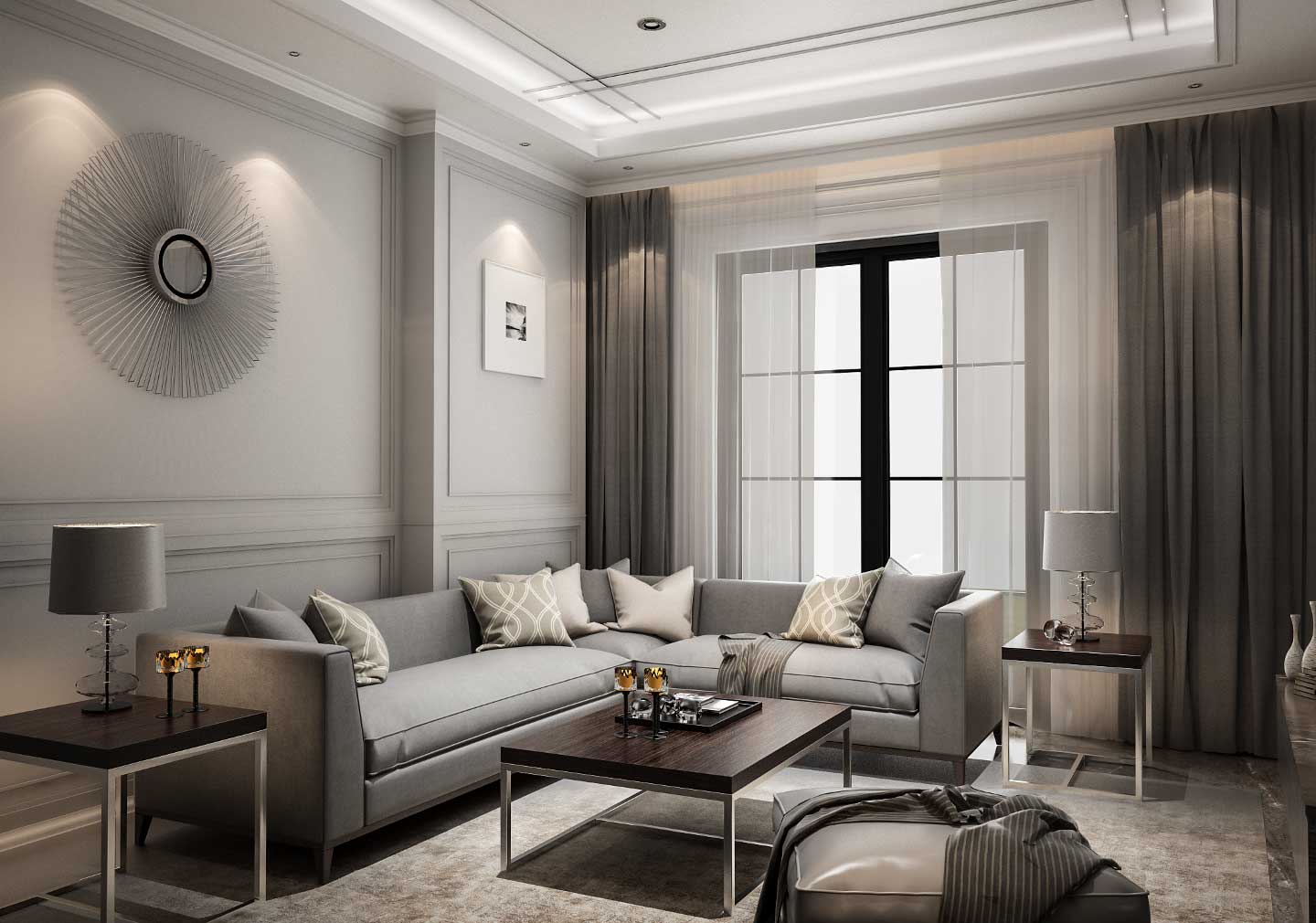
Modern interior design plays a significant role in improving both the appearance and functionality of a space. A thoughtfully designed interior can enhance daily living, increase productivity, improve comfort, and create a positive emotional atmosphere. Since people spend a large portion of their lives indoors, the quality of interior environments directly impacts well-being and satisfaction.
In addition to aesthetics, modern interior design helps maximize available space and improve organization. Through efficient layouts and multifunctional furniture, even small homes can feel spacious and comfortable. Modern design also supports sustainability by encouraging the use of durable materials, energy-efficient lighting, and timeless design choices that remain attractive for years. This combination of beauty and practicality makes modern interior design a valuable investment for homeowners and businesses alike.
Detailed Step-by-Step Guide
Step 1: Understand Your Space
Before purchasing furniture or selecting colors, evaluate the space carefully. Measure room dimensions, identify architectural features, and determine how the area will be used. Understanding the strengths and limitations of the space helps create a design plan that works effectively.
Pay attention to natural lighting, window placement, ceiling height, and traffic flow. These factors influence furniture arrangement and overall design decisions. A successful modern interior begins with a thorough understanding of the environment.
Step 2: Define Your Functional Needs
Modern design prioritizes functionality. Identify the primary purpose of each room and consider how occupants will interact with the space daily. A living room may require seating for entertainment, while a home office needs productivity-focused furniture.
Creating a list of functional requirements prevents unnecessary purchases and ensures every element contributes to the room’s purpose. This approach results in efficient and practical interiors.
Step 3: Choose a Neutral Color Palette
Neutral colors form the foundation of most modern interiors. Shades of white, gray, beige, black, and soft earth tones create a clean and timeless appearance. These colors also make spaces feel larger and brighter.
While neutral tones dominate, accent colors can add personality and visual interest. Use accent colors sparingly through cushions, artwork, rugs, or decorative accessories to maintain balance and sophistication.
Step 4: Focus on Clean Lines
Furniture and architectural details should feature simple and clean lines. Avoid excessive curves, ornate carvings, or overly decorative elements that may distract from the overall design.
Straight lines and geometric shapes contribute to the organized appearance associated with modern interiors. This visual simplicity promotes a sense of calm and order throughout the space.
Step 5: Select Functional Furniture
Every piece of furniture should serve a purpose. Choose high-quality items that combine comfort, durability, and aesthetics. Modern furniture often features simple silhouettes, exposed legs, and streamlined forms.
Consider multifunctional furniture when designing smaller spaces. Storage beds, extendable tables, and modular seating can maximize usability while maintaining a clean appearance.
Step 6: Maximize Natural Light
Natural light is a key component of modern interior design. Large windows, glass doors, and minimal window treatments help brighten interiors and create an open atmosphere.
If natural light is limited, incorporate layered lighting solutions. Combine ambient, task, and accent lighting to ensure every area remains functional and inviting throughout the day.
Step 7: Incorporate Natural Materials
Natural materials add warmth and texture to modern spaces. Wood, stone, leather, cotton, linen, and wool help create a balanced environment that feels comfortable and welcoming.
Combining natural elements with contemporary furnishings prevents interiors from appearing overly sterile. Texture adds depth and visual interest while maintaining simplicity.
Step 8: Reduce Clutter
One of the defining characteristics of modern design is minimal clutter. Remove unnecessary items and focus on essentials that contribute to functionality or visual appeal.
Invest in smart storage solutions to keep belongings organized and out of sight. Clean surfaces and organized spaces reinforce the minimalist principles of modern interiors.
Step 9: Add Meaningful Decorative Elements
Decorations should enhance rather than dominate the design. Select artwork, sculptures, plants, or decorative accessories that align with the room’s aesthetic and purpose.
Quality is more important than quantity. A few carefully chosen pieces often create greater impact than numerous decorative items scattered throughout the space.
Step 10: Maintain Consistency
Consistency helps create visual harmony throughout the home. Use complementary colors, materials, and design elements across different rooms while allowing each space to maintain its unique character.
A cohesive design approach improves flow and creates a unified experience from one room to another. This consistency is a hallmark of successful modern interior design.
Benefits of Modern Interior Design
Modern interior design offers numerous advantages for homeowners and businesses:
- Creates clean and organized environments
- Maximizes available space
- Improves functionality and usability
- Enhances natural light distribution
- Supports minimalist living
- Increases property appeal and value
- Promotes stress-free environments
- Encourages better organization habits
- Provides timeless visual appeal
- Works well in both small and large spaces
- Simplifies maintenance and cleaning
- Supports sustainable design practices
- Enhances comfort and productivity
- Creates a professional and sophisticated appearance
- Adapts easily to changing lifestyle needs
Disadvantages / Risks
Although modern interior design offers many benefits, it also has some limitations:
- May feel too minimal for some individuals
- High-quality modern furniture can be expensive
- Poor execution can create cold or impersonal spaces
- Requires consistent organization and maintenance
- Trendy interpretations may become outdated
- Limited decorative elements may reduce personal expression
- Open floor plans can reduce privacy
- Neutral color schemes may appear monotonous
- Custom modern designs can increase renovation costs
- Achieving balance requires careful planning
Common Mistakes to Avoid
Many beginners make mistakes when attempting to create modern interiors. One common error is confusing modern design with empty spaces. Minimalism does not mean removing all personality or comfort from a room. Spaces should remain inviting and functional while maintaining simplicity.
Another frequent mistake is purchasing furniture without considering scale and proportion. Oversized furniture can overwhelm a room, while pieces that are too small may appear disconnected. Ignoring lighting is also problematic, as inadequate illumination can diminish the effectiveness of even the best-designed interiors. Additionally, excessive decoration, inconsistent color schemes, poor storage planning, and neglecting functionality can undermine modern design principles. Careful planning and thoughtful decision-making help avoid these common issues.
FAQs
1. What colors are commonly used in modern interior design?
Modern interiors typically feature neutral colors such as white, gray, beige, black, and soft earth tones. These colors create a calm and timeless foundation. Accent colors may be added through accessories and artwork to provide contrast and visual interest.
2. Is modern interior design suitable for small homes?
Yes. Modern interior design is particularly effective in small homes because it emphasizes efficient space utilization, multifunctional furniture, and clutter reduction. These elements help make compact spaces feel larger and more comfortable.
3. What is the difference between modern and contemporary design?
Modern design refers to a specific historical design movement characterized by clean lines and functionality. Contemporary design reflects current trends and evolves over time. While the two styles share similarities, contemporary design changes as preferences shift.
4. Can modern design include decorative elements?
Absolutely. Modern interiors can include artwork, plants, sculptures, and decorative accessories. The key is selecting meaningful items and avoiding excessive decoration that creates visual clutter.
5. How can I make a modern room feel warmer?
Incorporate natural materials such as wood, stone, wool, and linen. Adding plants, textured fabrics, layered lighting, and carefully selected decorative accents can also create a warmer and more inviting atmosphere.
6. Is modern interior design expensive?
The cost varies depending on materials, furniture, and customization. While some modern furnishings are costly, it is possible to achieve a modern look on a budget by prioritizing quality, simplicity, and thoughtful planning.
7. What type of furniture works best in modern interiors?
Furniture with clean lines, simple forms, and functional features works best. Pieces should prioritize comfort and practicality while maintaining a sleek and uncluttered appearance.
8. Are open floor plans necessary for modern design?
No. While open floor plans are common in modern interiors, they are not mandatory. Modern principles can be successfully applied to traditional layouts through efficient furniture placement, lighting, and organization.
Expert Tips & Bonus Points
Professional designers often begin projects by creating detailed mood boards. Collecting inspiration images, material samples, and color palettes helps visualize the final result before making significant investments. Planning ahead reduces costly mistakes and ensures design consistency.
Another valuable tip is to focus on quality rather than quantity. Investing in a few well-crafted furniture pieces often produces better results than filling a room with numerous inexpensive items. Layered lighting, hidden storage solutions, indoor plants, and carefully selected textures can elevate a modern interior significantly. Additionally, leaving some empty space is important because negative space enhances visual balance and allows key design elements to stand out.
Conclusion
Modern interior design offers a perfect balance between beauty, functionality, and simplicity. By emphasizing clean lines, thoughtful layouts, neutral color palettes, and practical furnishings, this design style creates environments that support modern lifestyles while maintaining timeless appeal. Its focus on organization and efficiency makes it suitable for homes of all sizes, from compact apartments to spacious residences.
For beginners, understanding the core principles of modern design is the first step toward creating a comfortable and visually pleasing space. Successful implementation involves careful planning, selecting functional furniture, maximizing natural light, incorporating quality materials, and maintaining consistency throughout the home. While modern interiors may appear simple, achieving the right balance requires attention to detail and purposeful decision-making.
The long-term benefits of modern interior design extend beyond appearance. Well-designed interiors can improve comfort, productivity, organization, and overall well-being. By avoiding common mistakes and applying expert recommendations, anyone can create a sophisticated environment that remains attractive and functional for years. Whether you are designing a new home or updating an existing space, modern interior design provides a versatile and enduring foundation for stylish living.