
Introduction
Home renovation is one of the most effective ways to improve the comfort, functionality, and value of a property. Whether you want to update an outdated kitchen, create a modern living space, improve energy efficiency, or increase your home’s resale value, renovation projects can help you achieve your goals. For beginners, however, the process can seem overwhelming because it involves planning, budgeting, design decisions, contractor management, and unexpected challenges.
Many homeowners start a renovation project without a clear plan and end up spending more money and time than expected. Understanding the renovation process before starting can save you from costly mistakes and unnecessary stress. A successful renovation requires careful preparation, realistic expectations, and informed decision-making at every stage.
The good news is that home renovation does not have to be complicated. By following a structured approach, you can confidently tackle projects of any size. Whether you are renovating a single room or upgrading an entire house, knowing the basics will help you make smarter choices and achieve better results.
This comprehensive guide explains everything beginners need to know about home renovation, including planning, budgeting, benefits, risks, common mistakes, and expert recommendations. By the end, you will have a clear roadmap for turning your renovation ideas into reality.
What is Home Renovation?
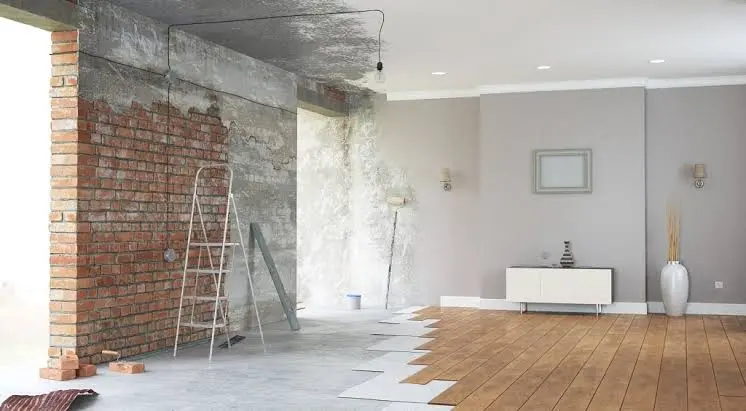
Home renovation refers to the process of improving, updating, repairing, or redesigning an existing residential property. Renovations can range from small cosmetic changes, such as painting walls and replacing flooring, to major structural modifications that completely transform the appearance and functionality of a home.
The primary goal of renovation is to enhance the living environment while increasing the property’s value and efficiency. Renovation projects may focus on aesthetics, functionality, safety, energy savings, or all of these factors combined. Unlike new construction, renovation works with an existing structure and upgrades it according to the homeowner’s needs and preferences.
Home renovation can involve multiple areas, including kitchens, bathrooms, bedrooms, living rooms, basements, roofs, plumbing systems, electrical systems, and outdoor spaces. Every renovation project is unique because each property has different requirements, budgets, and objectives.
Successful renovations require careful planning and execution. Homeowners must assess their goals, identify priorities, create realistic budgets, hire qualified professionals when necessary, and monitor progress throughout the project. Understanding the renovation process is essential for achieving desired results while avoiding costly mistakes and delays.
Why is Home Renovation Important?
Home renovation plays a significant role in maintaining and improving the quality of a property. Over time, homes experience wear and tear, outdated designs, and declining functionality. Renovation helps address these issues by modernizing spaces and ensuring that the property remains comfortable, safe, and efficient.
A well-planned renovation can dramatically improve daily living. Updated layouts, improved storage solutions, better lighting, and modern fixtures create a more enjoyable environment for homeowners and their families. Renovations also provide an opportunity to customize spaces according to changing lifestyles and personal preferences.
Another important reason for renovation is property value enhancement. Buyers are often willing to pay more for homes that feature updated kitchens, renovated bathrooms, energy-efficient systems, and attractive interiors. Even small improvements can increase market appeal and make a property stand out in a competitive real estate market.
Renovation also contributes to energy efficiency and sustainability. Replacing old windows, upgrading insulation, installing efficient appliances, and improving heating and cooling systems can reduce utility bills while minimizing environmental impact. These long-term savings often offset a portion of the renovation costs.
Step-by-Step Guide to Home Renovation
Step 1: Define Your Goals
Before starting any renovation project, identify what you want to achieve. Determine whether your primary goal is increasing property value, improving functionality, enhancing aesthetics, or addressing maintenance issues.
Create a list of priorities and rank them according to importance. Having clear objectives will help guide decision-making throughout the renovation process and prevent unnecessary expenses.
Step 2: Assess Your Home’s Condition
Conduct a thorough inspection of your property to identify areas that need attention. Look for structural issues, water damage, outdated electrical systems, plumbing problems, and other maintenance concerns.
Addressing critical repairs before cosmetic improvements ensures a safer and more durable renovation outcome. Professional inspections can help uncover hidden issues that may affect project costs.
Step 3: Create a Realistic Budget
Budgeting is one of the most important aspects of home renovation. Calculate how much you can comfortably spend and include costs for materials, labor, permits, inspections, and contingency funds.
Experts often recommend setting aside an additional 10% to 20% of the total budget for unexpected expenses. Renovation projects frequently encounter surprises that require additional spending.
Step 4: Research and Gather Inspiration
Explore design ideas through magazines, websites, social media platforms, and home improvement shows. Collect images and examples that match your preferred style and functionality requirements.
Creating a vision board can help communicate your ideas to contractors, designers, and suppliers while ensuring consistency throughout the project.
Step 5: Develop a Renovation Plan
Outline the scope of work and establish a timeline for each phase of the renovation. Decide which tasks can be completed independently and which require professional assistance.
A detailed plan helps prevent delays, reduces confusion, and keeps the project organized from start to finish.
Step 6: Obtain Necessary Permits
Some renovation projects require permits from local authorities, especially when structural changes, electrical upgrades, plumbing modifications, or additions are involved.
Failure to obtain proper permits can result in fines, legal issues, and difficulties when selling the property in the future.
Step 7: Hire Qualified Professionals
For complex projects, hiring experienced contractors, electricians, plumbers, and architects can ensure quality workmanship and compliance with building regulations.
Research credentials, read reviews, request references, and compare multiple quotes before making hiring decisions.
Step 8: Purchase Materials and Supplies
Select materials that fit your budget, style, and durability requirements. Compare products from different suppliers to find the best value without compromising quality.
Ordering materials in advance can help avoid delays caused by shipping issues or stock shortages.
Step 9: Begin Demolition and Preparation
Remove outdated fixtures, flooring, cabinets, and other elements scheduled for replacement. Ensure proper safety measures are in place during demolition activities.
Protect areas that are not being renovated to minimize dust, debris, and accidental damage.
Step 10: Complete Structural and System Upgrades
Address structural modifications, electrical work, plumbing installations, insulation improvements, and HVAC upgrades before moving on to finishing tasks.
Completing these foundational elements first reduces the risk of rework later in the project.
Step 11: Install Finishes and Fixtures
Once the major work is complete, install flooring, cabinets, countertops, lighting fixtures, paint, and decorative elements.
Attention to detail during this stage significantly impacts the final appearance and quality of the renovation.
Step 12: Final Inspection and Cleanup
Inspect all completed work to ensure it meets expectations and complies with applicable regulations. Create a checklist to identify any issues requiring correction.
Thorough cleaning and final touch-ups help prepare the renovated space for everyday use and enjoyment.
Benefits of Home Renovation
- Increases property value and market appeal.
- Improves comfort and functionality.
- Enhances energy efficiency.
- Reduces maintenance costs over time.
- Modernizes outdated designs.
- Creates more usable living space.
- Improves safety and structural integrity.
- Allows personalization according to lifestyle needs.
- Enhances indoor air quality.
- Increases storage and organization options.
- Reduces utility expenses.
- Boosts homeowner satisfaction and pride.
Disadvantages / Risks
- High upfront costs.
- Unexpected expenses during construction.
- Project delays due to weather or material shortages.
- Temporary disruption of daily routines.
- Risk of hiring unreliable contractors.
- Permit and regulatory challenges.
- Possibility of design mistakes.
- Stress associated with decision-making.
- Potential structural surprises hidden behind walls.
- Budget overruns caused by poor planning.
- Safety hazards during construction.
- Difficulty finding matching materials for older homes.
Common Mistakes to Avoid
One of the biggest mistakes homeowners make is starting a renovation without a detailed plan. Jumping into construction without clear goals often leads to confusion, wasted money, and inconsistent results. Every project should begin with a comprehensive strategy that outlines objectives, priorities, timelines, and budgets.
Another common mistake is underestimating costs. Many beginners focus only on material prices and overlook labor, permits, inspections, disposal fees, and contingency expenses. Maintaining a financial buffer can help manage unexpected challenges without compromising the project’s success.
Choosing the cheapest contractor is another costly error. Low bids may indicate poor workmanship, lack of experience, or hidden fees. Homeowners should prioritize qualifications, references, and reputation rather than price alone when selecting professionals.
Ignoring functionality in favor of aesthetics can also create problems. While attractive designs are important, practical considerations such as storage, accessibility, durability, and maintenance should guide renovation decisions. A beautiful space that does not meet everyday needs may become frustrating over time.
Finally, rushing the decision-making process often results in regret. Taking time to compare materials, review plans, and evaluate options can prevent expensive changes later in the project.
FAQs
1. How much does a home renovation typically cost?
The cost varies depending on project size, location, materials, and labor rates. Small renovations may cost a few thousand dollars, while full-home renovations can reach tens or hundreds of thousands of dollars. Creating a detailed budget helps establish realistic expectations.
2. How long does a home renovation take?
Timelines depend on project complexity. Minor updates may take a few days or weeks, while larger renovations can last several months. Proper planning and contractor coordination help minimize delays.
3. Should I renovate before selling my home?
In many cases, strategic renovations can increase property value and attract more buyers. Kitchens, bathrooms, flooring, and curb appeal improvements often provide strong returns on investment.
4. Can I renovate my home myself?
Simple projects such as painting, installing shelves, and basic landscaping may be suitable for DIY efforts. However, electrical work, plumbing, structural modifications, and major renovations typically require professional expertise.
5. How can I stay within my renovation budget?
Establish a clear budget, prioritize essential upgrades, compare quotes, avoid frequent design changes, and maintain an emergency fund for unexpected expenses. Careful planning significantly reduces the risk of overspending.
6. What renovation projects provide the highest return on investment?
Kitchen remodels, bathroom upgrades, energy-efficient improvements, exterior enhancements, and flooring replacements often deliver strong returns when selling a property.
7. Do all renovation projects require permits?
No, but many structural, electrical, plumbing, and expansion projects require permits. Check local regulations before beginning any major work.
8. What should I do if problems are discovered during renovation?
Address issues immediately and consult qualified professionals. Delaying repairs can increase costs and create additional complications later in the project.
Expert Tips & Bonus Points
Successful renovations begin with realistic expectations. Understand that unexpected challenges are normal and should be anticipated during planning. Flexibility helps reduce frustration when adjustments become necessary.
Focus first on improvements that affect safety, structural integrity, and functionality. Cosmetic upgrades can follow once essential systems are operating efficiently and safely.
Invest in quality materials for high-traffic areas such as kitchens, bathrooms, entryways, and living spaces. Durable products often provide better long-term value despite higher initial costs.
Maintain open communication with contractors throughout the project. Regular meetings and progress updates help identify issues early and keep work aligned with expectations.
Document every decision, contract, invoice, warranty, and change order. Organized records simplify project management and provide valuable references for future maintenance or resale purposes.
Consider energy-efficient upgrades whenever possible. Improved insulation, efficient windows, LED lighting, and modern appliances can reduce operating costs while increasing property value.
Always prioritize functionality over trends. Timeless designs generally remain attractive longer and provide greater long-term satisfaction than short-lived design fads.
Conclusion
Home renovation is an exciting opportunity to improve your living environment, increase property value, and create a home that better reflects your lifestyle and preferences. While the process may appear complex at first, a structured approach can make even large renovation projects manageable and rewarding.
The foundation of a successful renovation lies in careful planning, realistic budgeting, and informed decision-making. By defining clear goals, assessing your property’s condition, researching design ideas, hiring qualified professionals, and preparing for unexpected challenges, you can significantly increase your chances of achieving excellent results.
Renovations offer numerous benefits, including improved functionality, enhanced comfort, greater energy efficiency, and stronger resale value. However, understanding potential risks and avoiding common mistakes is equally important. Proper preparation helps minimize stress, reduce costs, and ensure that every investment contributes to long-term satisfaction.
Whether you are updating a single room or transforming an entire property, patience and attention to detail are essential. Every renovation project represents an investment in your home’s future. With the right strategy, careful execution, and a commitment to quality, you can create a beautiful, functional, and valuable living space that serves your needs for many years to come.